Dairy Roadmap
About the Dairy Roadmap
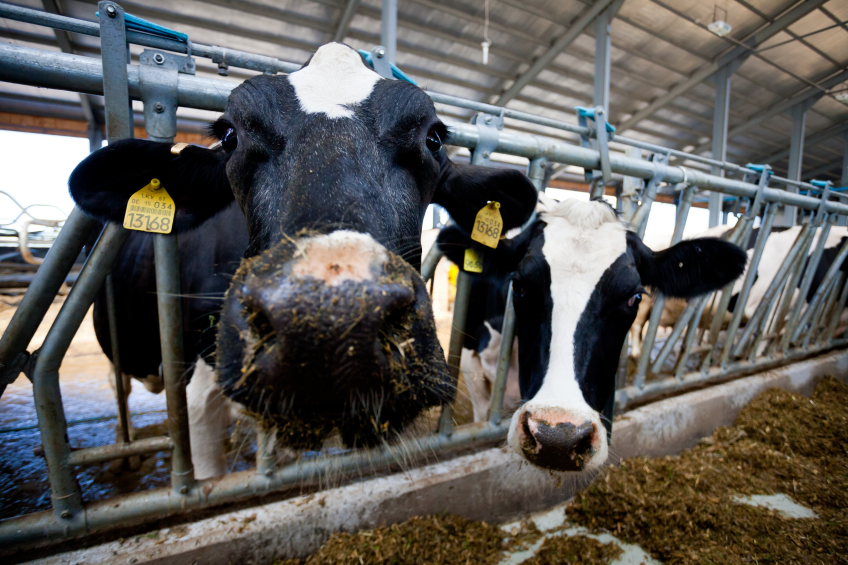
The Climate Roadmap for Washington State Dairy outlines practical, research-based strategies to help dairy producers continue reducing their climate footprint while maintaining efficient, profitable, and responsible operations.
Washington dairy producers have a long track record of environmental stewardship: improving water quality, recycling nutrients on farms, and repurposing waste. The Dairy Roadmap builds on this work by identifying near-term opportunities for lowering greenhouse gas emissions and improving efficiency, animal well-being, and soil and water quality.
Where Emissions Come From
On a typical Pacific Northwest dairy, greenhouse gas emissions originate from a several major sources:
- Feed production, including fertilizer, fuel, and cropping
- Production (cow digestion)
- Manure handling and storage
- Energy use of fuel and electricity
Each area offers opportunities to reduce emissions and improve on-farm efficiency.

Approaches to Lower Your Farm’s Footprint
The roadmap highlights two complementary pathways that can be applied on any dairy, regardless of size or management style:
- Reduction approach
- Cut emissions from feed, production, manure, or energy.
Example: Cover a manure lagoon and flare captured gas.
- Cut emissions from feed, production, manure, or energy.
- Efficiency approach
- Produce more milk using the same level of emissions.
Example: Cool cows to increase milk yield.
- Produce more milk using the same level of emissions.
Your Farm, Your Priorities
Every dairy is different. The right mix of strategies depends on farm size, location, existing infrastructure, and long-term goals. The Dairy Roadmap provides options, not mandates, so producers can choose the tools that fit their operation best.
Want more recommendations?
Ready to lower your dairy farm’s climate footprint but don’t know where to start? We have identified a range of strategies that can be implemented in the short, medium, and long-term to reduce greenhouse gas emissions and enhance on-farm sustainability.
Look through recommendations by region and farm size.
Statewide Recommendations
Cohort Specific Recommendations
Funding Acknowledgement
The work that resulted in this roadmap was supported by funding from Washington’s Climate Commitment Act, provided through the Washington State Conservation Commission, and from Biomass Research Funds from the Washington State University Agricultural Research Center.

Collaborators