BIOAg Funds Seven Research Projects for 2026
CSANR BIOAg grants support early-stage research, high-impact “last-mile” work, and new directions in sustainable agriculture.
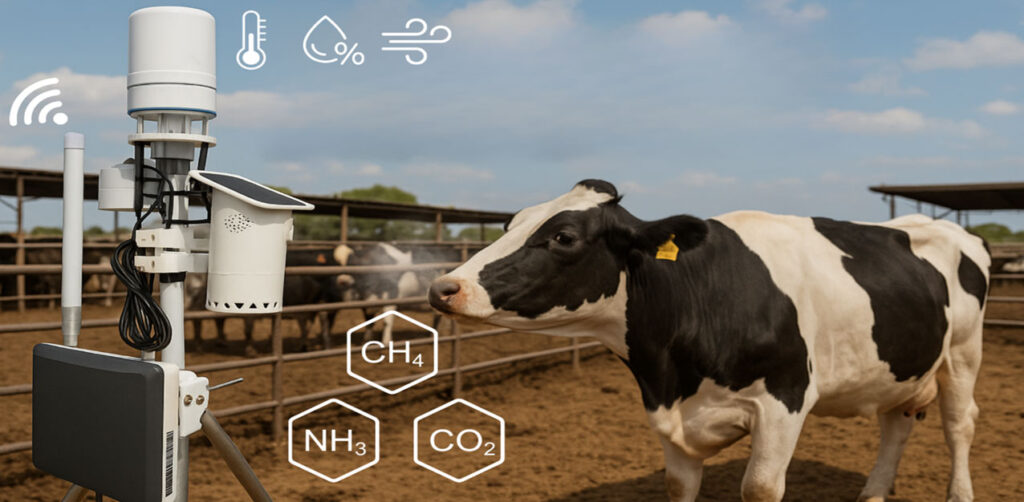
The Center for Sustaining Agriculture and Natural Resources (CSANR) has selected seven projects for funding through its BIOAg grant program for 2026. This year’s awards total $247,871 and support research spanning dairy sustainability, organic pest management, perennial grains, and plant disease monitoring.
Chad Kruger, former director of CSANR, said the latest funding cycle was especially competitive. “This was the strongest and deepest pool of proposals in the last 15 years,” he said. “Overall, we were able to fund approximately 40% of submitted proposals.”
2026 BIOAg projects and principal investigators
- Identification of Codling Moth Pupation Sites to Improve Management
Tobin Northfield and RT Curtiss - Targeting Early Methanogenesis to Improve Environmental and Economic Sustainability in Dairy Production Systems
Addison Carroll - Exploring the Effect of Nitrogen Fertilization on Perennial Wheat Performance
Robin Morgan and Kevin Murphy - Glutathione as an Alternative for Mitigating Postpartum Inflammation in Organic Dairy Cows
Zachary Seekford and Caio Figueiredo - Casting a Wide Net: High-Throughput Screening for Competitive Rhizobia Inoculants to Enhance Nitrogen Fixation and Yield in Peas and Lentils
Stephanie Porter and David Crowder - SHERI for Washington Dairy Farms Sustainability
Lav Khot - Enhancing Capacity for Airborne Fungal Spore Monitoring in Horticultural Nurseries of Washington State
Joseph Hulbert