Overview of anaerobic digestion processes, reactor conditions, and monitoring methods used to manage manure and organic wastes.
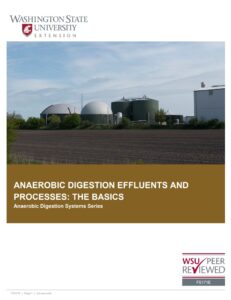
This fact sheet introduces the core processes and operating conditions involved in anaerobic digestion systems used to treat organic wastes and produce renewable energy. It explains the biological stages of anaerobic digestion, including hydrolysis, acidogenesis, acetogenesis, and methanogenesis, and describes how microorganisms break down organic materials to produce methane-rich biogas. The publication outlines common digester types and discusses the environmental and operational conditions needed for stable system performance, including temperature, pH, organic loading rate, and hydraulic retention time.
The report also reviews methods used to evaluate digester influent and effluent, including measurements such as total solids, volatile solids, biochemical oxygen demand, and other indicators used to monitor process stability and performance. By explaining both the biochemical processes and practical monitoring approaches used in operating digesters, this publication helps researchers, advisors, and producers better understand how anaerobic digestion systems function and how their performance can be evaluated.
This publication was produced by Washington State University Extension.
This publication is part of an archive and may not meet current digital accessibility standards. CSANR is working to improve digital accessibility of all materials. If you need this content in an alternative format, please contact csanr@wsu.edu.
Authors
Mitchell, S., Kennedy, N., Ma, J., Yorgey, G., Kruger, C., Ullman, J., and Frear, C.
Year Published
2015
Areas of Focus
Agricultural Practices, Agricultural Technology, Climate & Environment, and Value from Waste
Topics
Energy, Livestock, Natural Resources, Production Systems, and Waste Management