From beef to bugs and kids to carbon, the 2024 and 2025 BIOAg grants show the full reach of CSANR’s efforts to promote research in sustainable agriculture. BIOAg, short for Biological Agriculture, is WSU’s competitive grant program supporting research that advances biologically based, sustainable farming systems. For almost 20 years, the competitive BIOAg grant program has allowed WSU researchers to explore innovative ideas and leverage funding to turn those ideas into projects with lasting impacts. Since 2020, researchers have turned $1.46 million in investments from BIOAg grants into more than $20 million in extramural funding.
For the 2024 and 2025 grant cycles, funded projects represent 7 departments and include 8 faculty that are new to the BIOAg program.
Beyond the numbers, BIOAg projects allow exploration into novel ideas and partnerships that build solutions for a range of issues that Washington agriculture faces. Social sustainability is an important part of the BIOAg program, with consideration given to proposals that explore how biologically intensive, organic, and sustainable agriculture strategies may impact communities and support broader engagement.
Projects funded in 2024 cover a diversity of topics and perspectives including carbon incentive programs, biopesticides for honey bee colonies, conservation tillage, cattle forage, and hands-on purchasing of fruits and vegetables by grade-school kids.
In 2025 funded projects included understanding the motivations and challenges for participants in the compost incentive program, and four projects exploring novel ideas for pest challenges in various crops.
2024 Funded Projects:
- Scalable assessment of soil organic carbon for carbon incentive programs
- Investigating the effects of microbial biopesticides as biocontrol for honey bee Varroa mite
- Quantifying erosion reduction benefits resulting from the adoption of conservation tillage practices
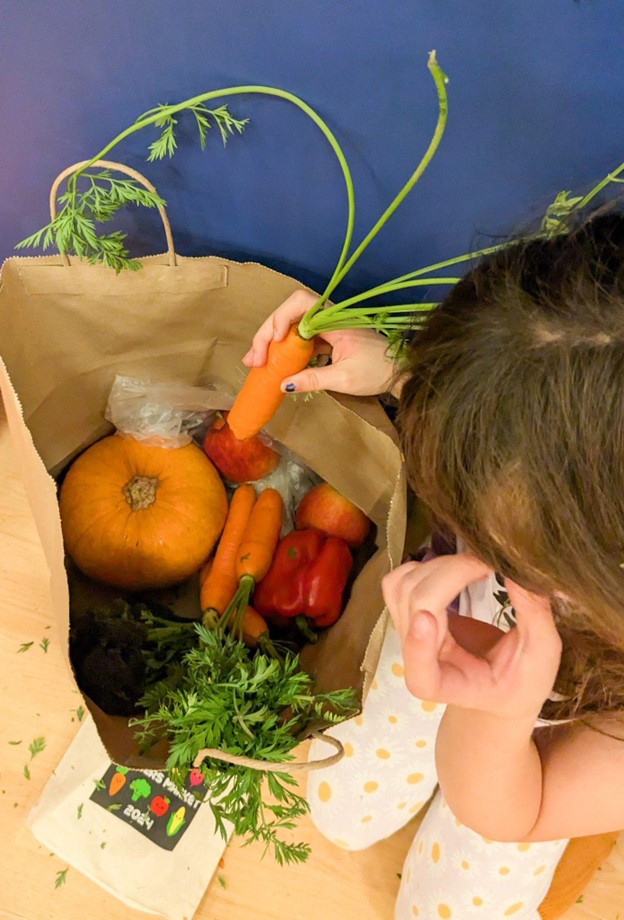
- At-school youth farmers markets: can hands-on experience purchasing fruit and vegetables grown on BIOAg farms influence valuation of local farming and family shopping habits?
- Provision of forage protein reservoirs to enhance utilization of low-quality forages by beef cattle
2025 Funded Projects:
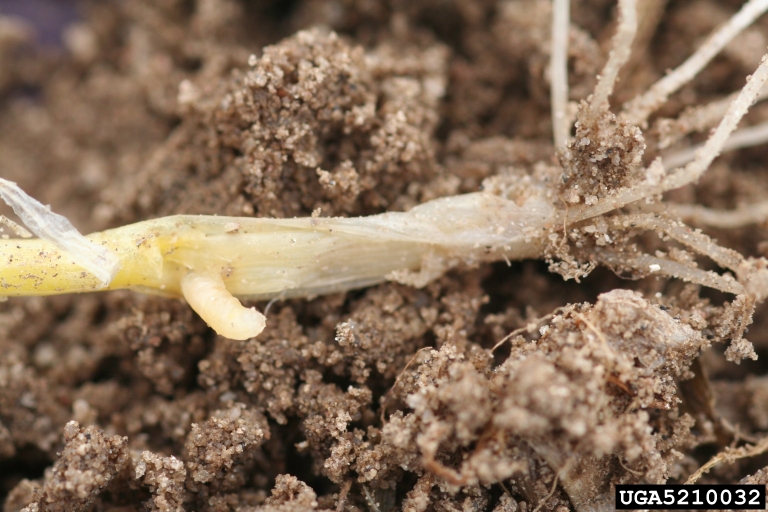
- Identifying Delia root maggots to aid vegetable seed growers in the PNW
- New codling moth pathogens
- Who is applying? Understanding the motivations and challenges of participants in incentive programs for compost application
- Evaluating highly polymerized tannin as a sustainable biopesticide for the management of major potato diseases
- Evaluation of biomass-derived pyrolysis oils as a source of pesticides for insect vectors of plant pathogens
Comments