
Mapping Tillage Practices in Eastern Washington
Roadside observations and crop-specific modeling improved tillage maps.
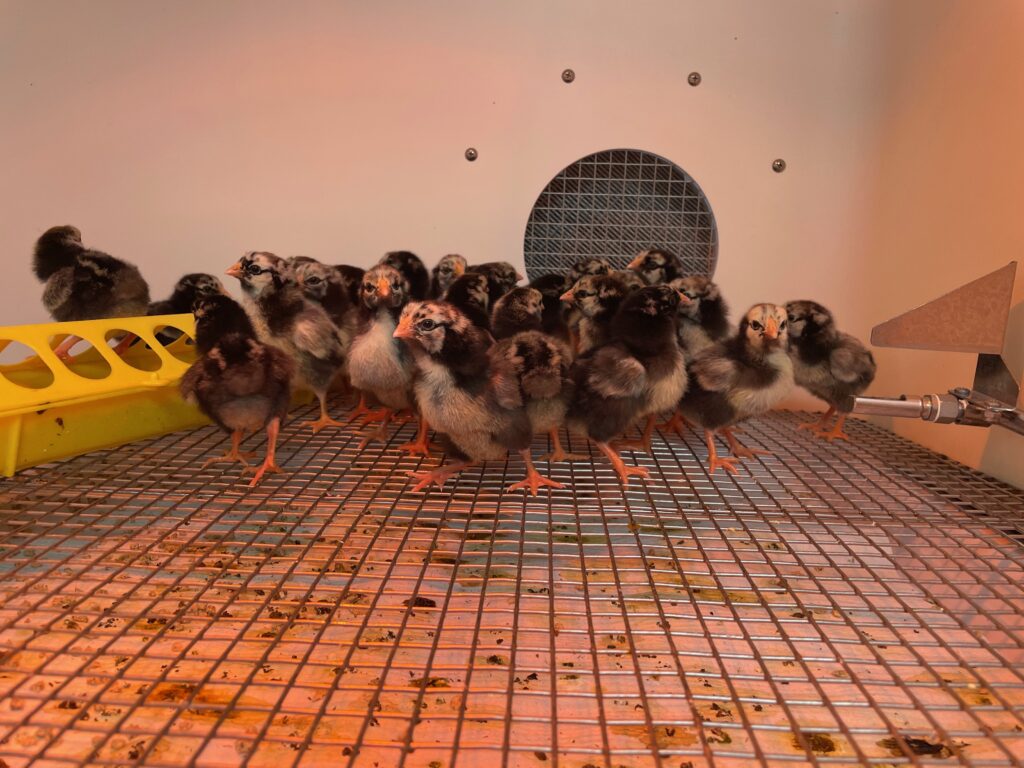
Picking the Right Bird for the Job: Disease Resilience in Heritage Breeds
Research compared resistance among heritage breeds exposed to parasites and bacteria.
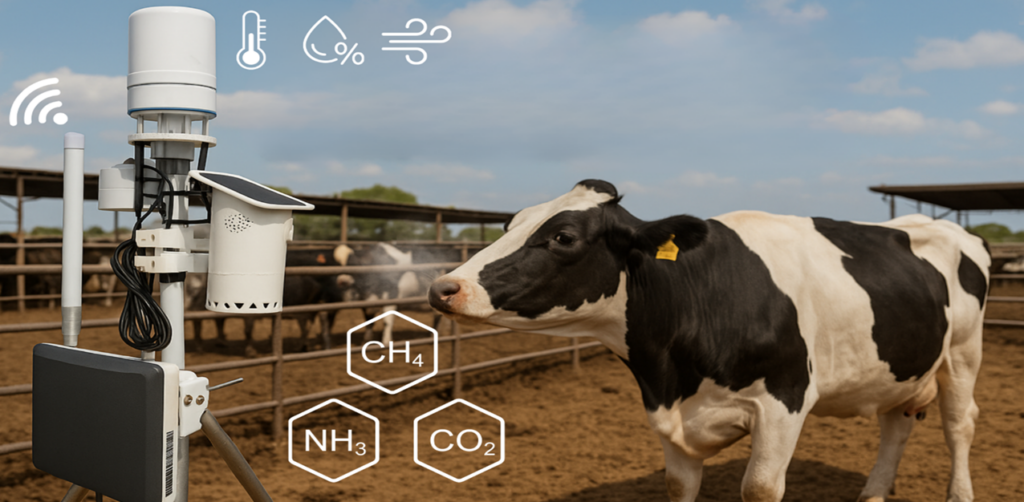
BIOAg Funds Seven Research Projects for 2026
BIOAg grants practical agricultural research across WSU, advancing dairy, crops, and plant health.

Focusing Agricultural Conservation Where the Land Needs It Most
Erosion models targeting hotspots could protect Palouse soils while reducing costs for farmers.
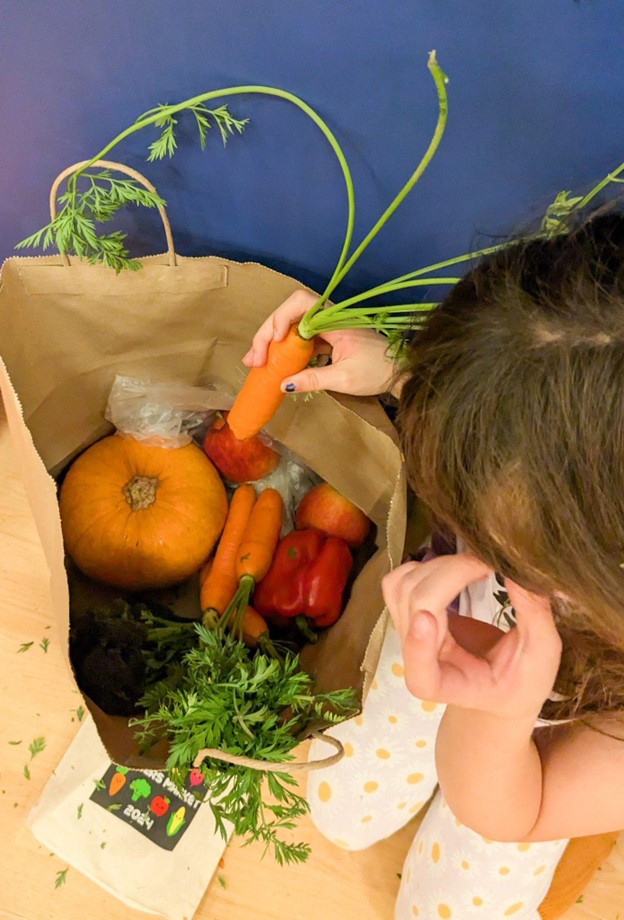
Students Shop Local at Youth Farmers Market
BIOAg-funded Youth Farmers Market let students shop local produce and try new foods.
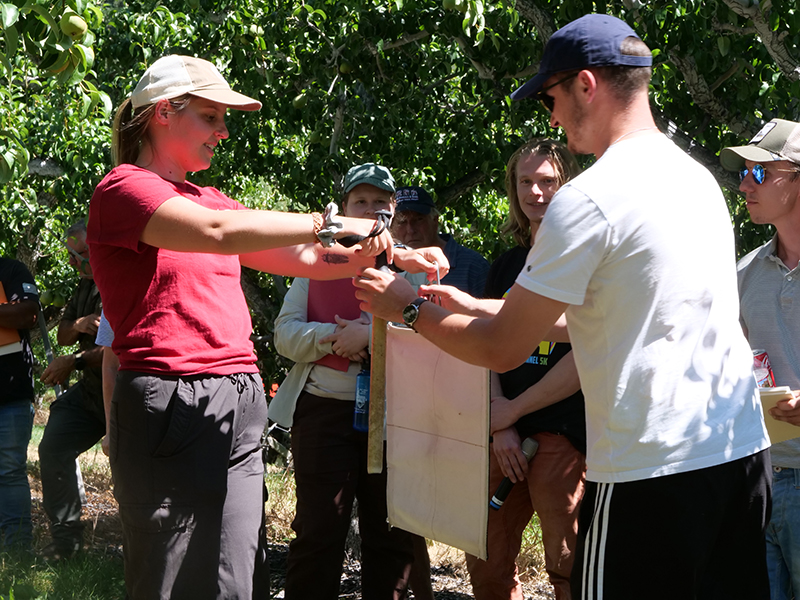
Why Growers Hesitate: Molly Sayles Bridges Science and Practice
Supported by a CSANR BIOAg grant, Molly Sayles investigates barriers to adopting IPM.
2024–2025 BIOAg Awards Announced
BIOAg projects show the reach of CSANR’s efforts to promote sustainable agriculture research.

Growing Interest in Soil Health: An Appreciation-Based STEM Curriculum for Kids
Soil health education for youth is vital to change the outlook and attitude of future generations toward soil stewardship. Soil health is linked to some of the most important issues facing our planet and future generations, from a warming climate and increasing extreme weather events to toxic buildup of waste and contaminants, to fresh air and water, to the very food quantity and quality on our tables each and every day. Yet, unfortunately, most students enter college with little to no understanding of the importance of soil in our everyday lives.

Tracking Beneficial Parasites to Safeguard Cherry Production
Cesar Reyes Corral, PhD student in the Washington State University Department of Entomology, has identified several beneficial insects that may be key to long-term management of X-disease. X-disease has recently emerged as a major threat to cherry, peach, and nectarine production in the Pacific Northwest, by producing small, bitter fruit. This disease is caused by a bacterium called Candidatus Phytoplasma pruni that is spread by insects called leafhoppers.

Human Perspectives Add Value to Entomological Research
You are at the grocery store in the produce section. Pears are in season, so you go over to pick a few out – maybe they will elevate your next charcuterie board. After inspecting a few, you grab pears that appear to be pristine, symmetrical in shape and with smooth, unsullied skin. These are worth your money.

How Worms are Revolutionizing Sustainable Agriculture
We often encounter worms on the sidewalk after it rains or in our vegetable gardens. Despite how casual these encounters may be, worms are an essential species for ecosystem health. Through this research, I am investigating how worms can benefit agricultural wastewater treatment to improve sustainable and holistic agricultural practices.

Nano Tools for Managing Plant Diseases
There is no silver bullet to manage agricultural pests. Growers generally rely on a combination of cultural, genetic, chemical, and alternative pest management approaches to keep pest populations below economic threshold levels. Use of synthetic pesticides is thus an integral component of conventional pest management programs. However, improper use of pesticides can lead to potential issues such as pesticide residues, crop damage, human health hazards, and environmental pollution.