Dig into Compost
Compost as a Solution
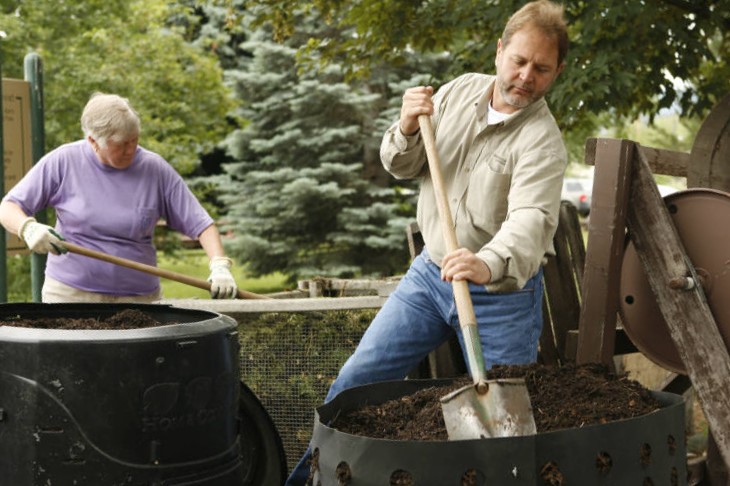
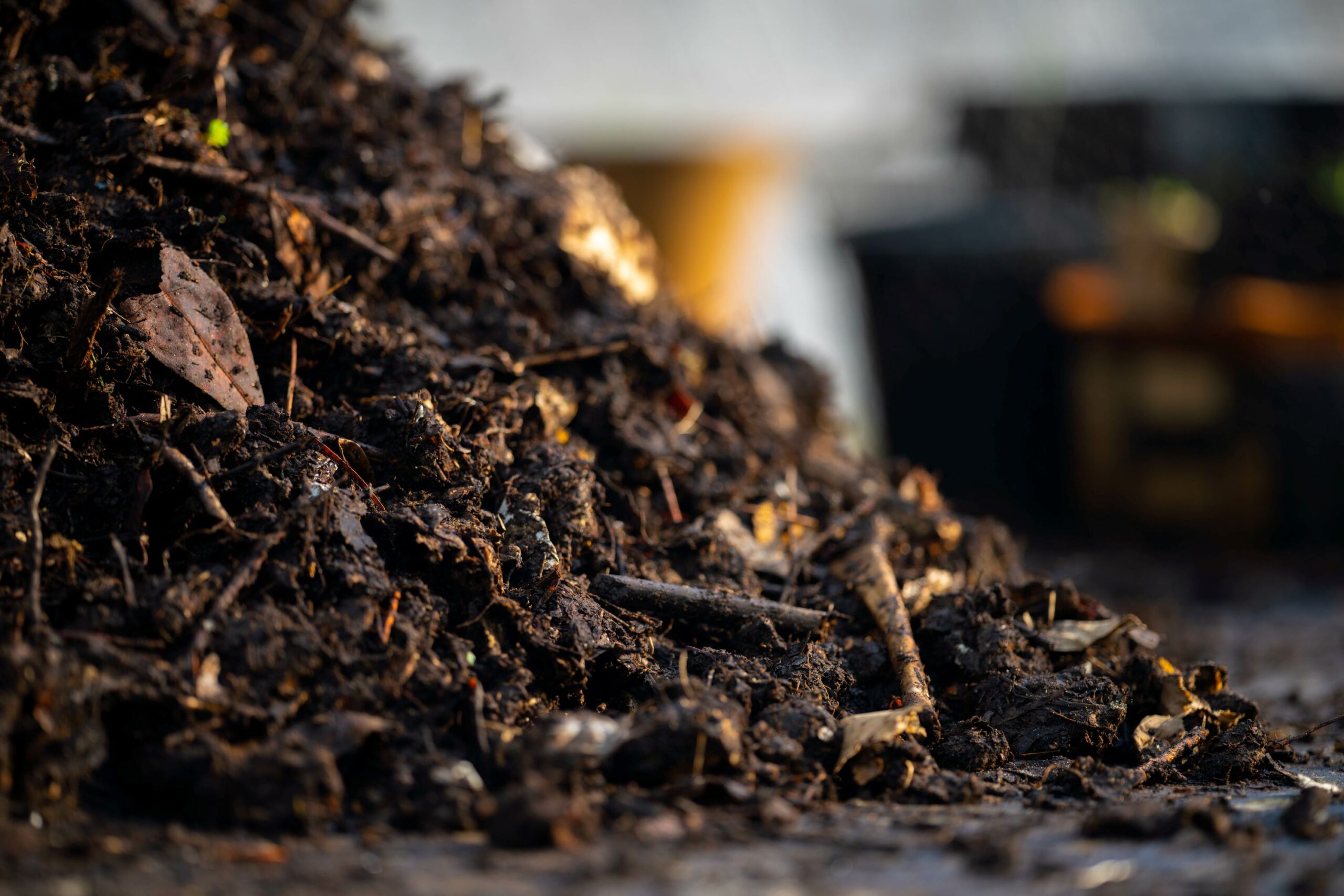
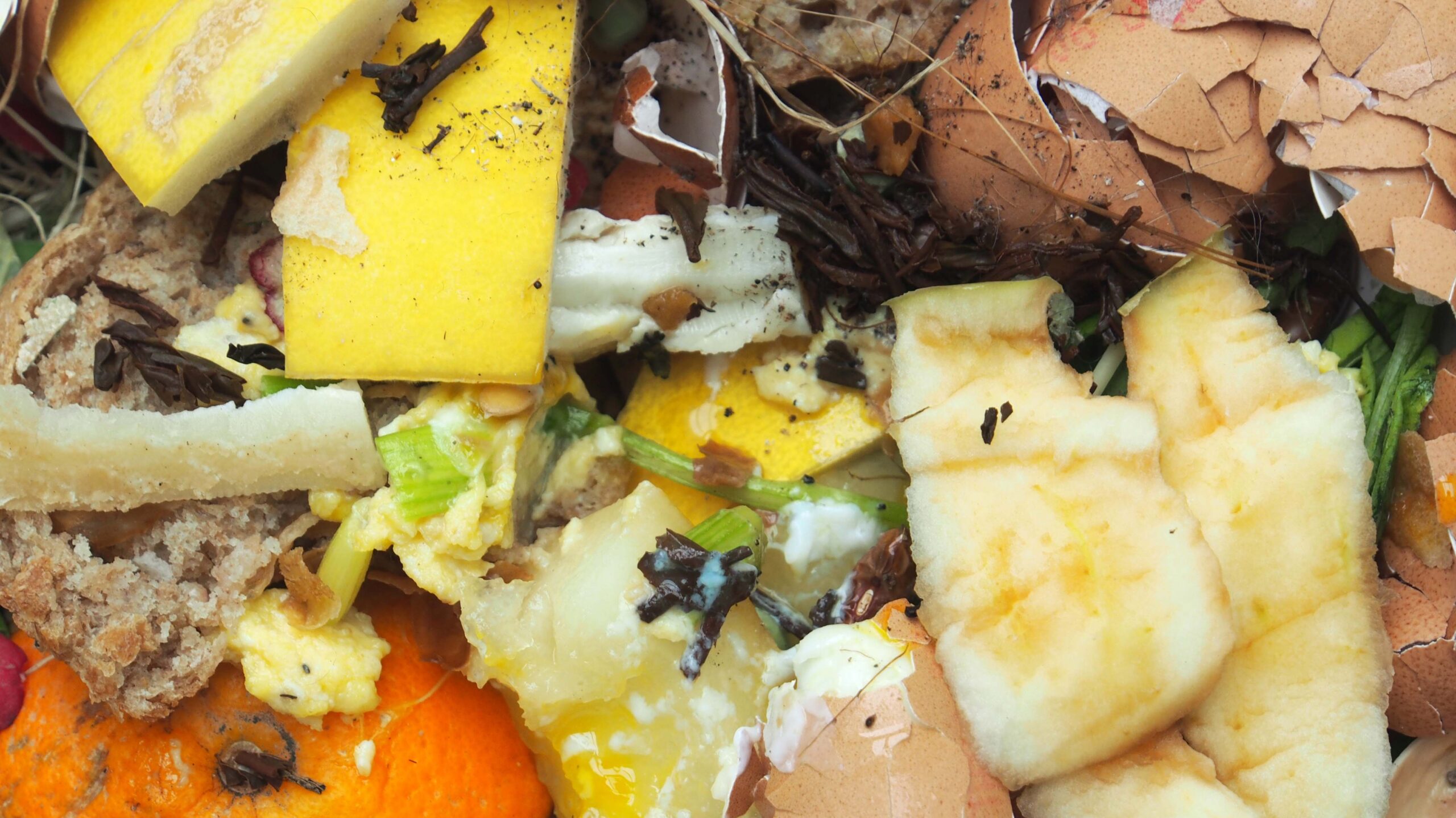
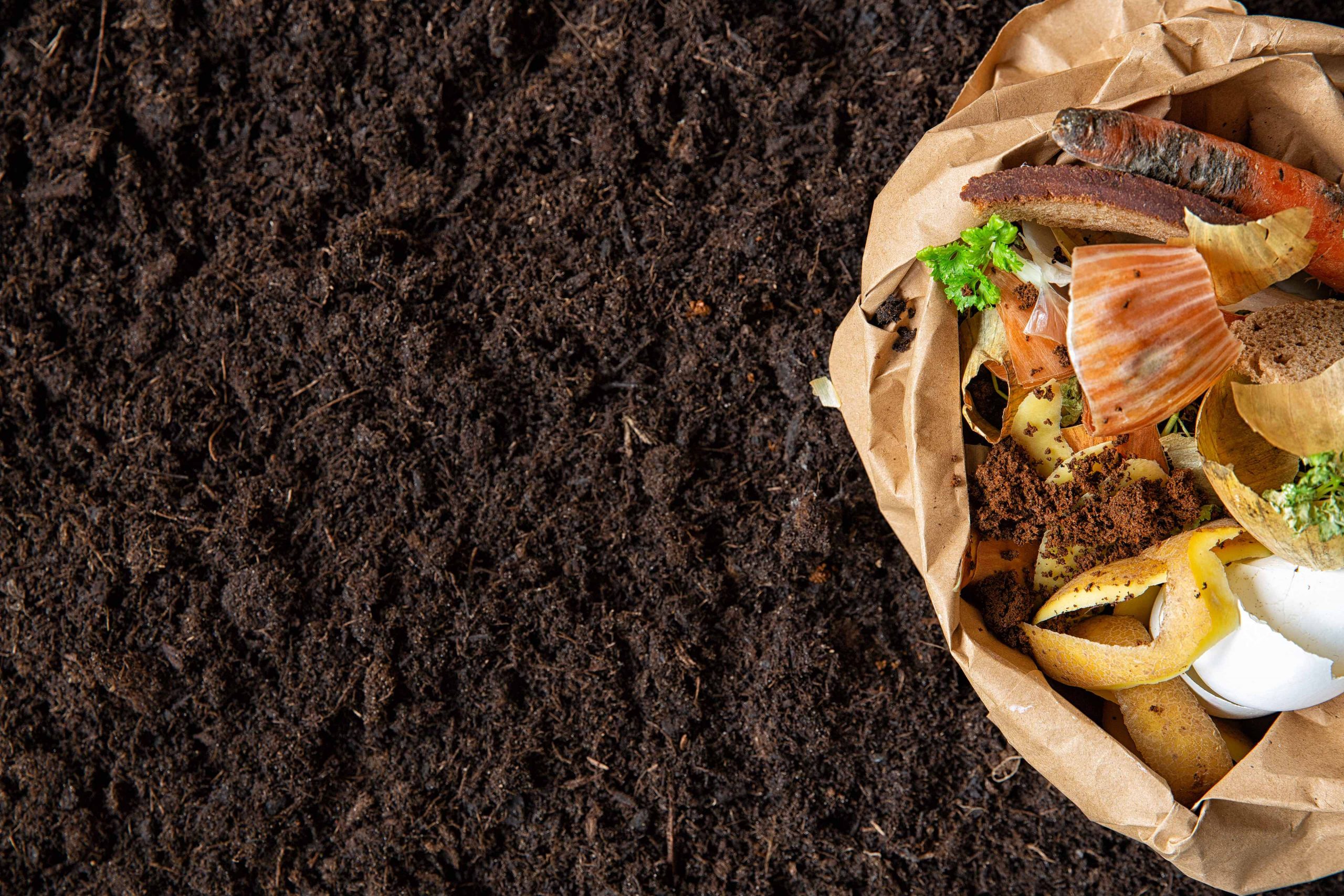
Compost is a product of biological processes that break down organic matter, often from waste products such as plant residues, manure, and food wastes. WSU researchers lead work to understand how compost contributes to soil health properties, plant nutrition, and sustainability through waste utilization. Compost can be an accessible way of incorporating sustainable solutions into a range of production scales as they currently exist.
Ready to learn more about compost as a current solution at the Garden, Agronomic, and Municipal scales?
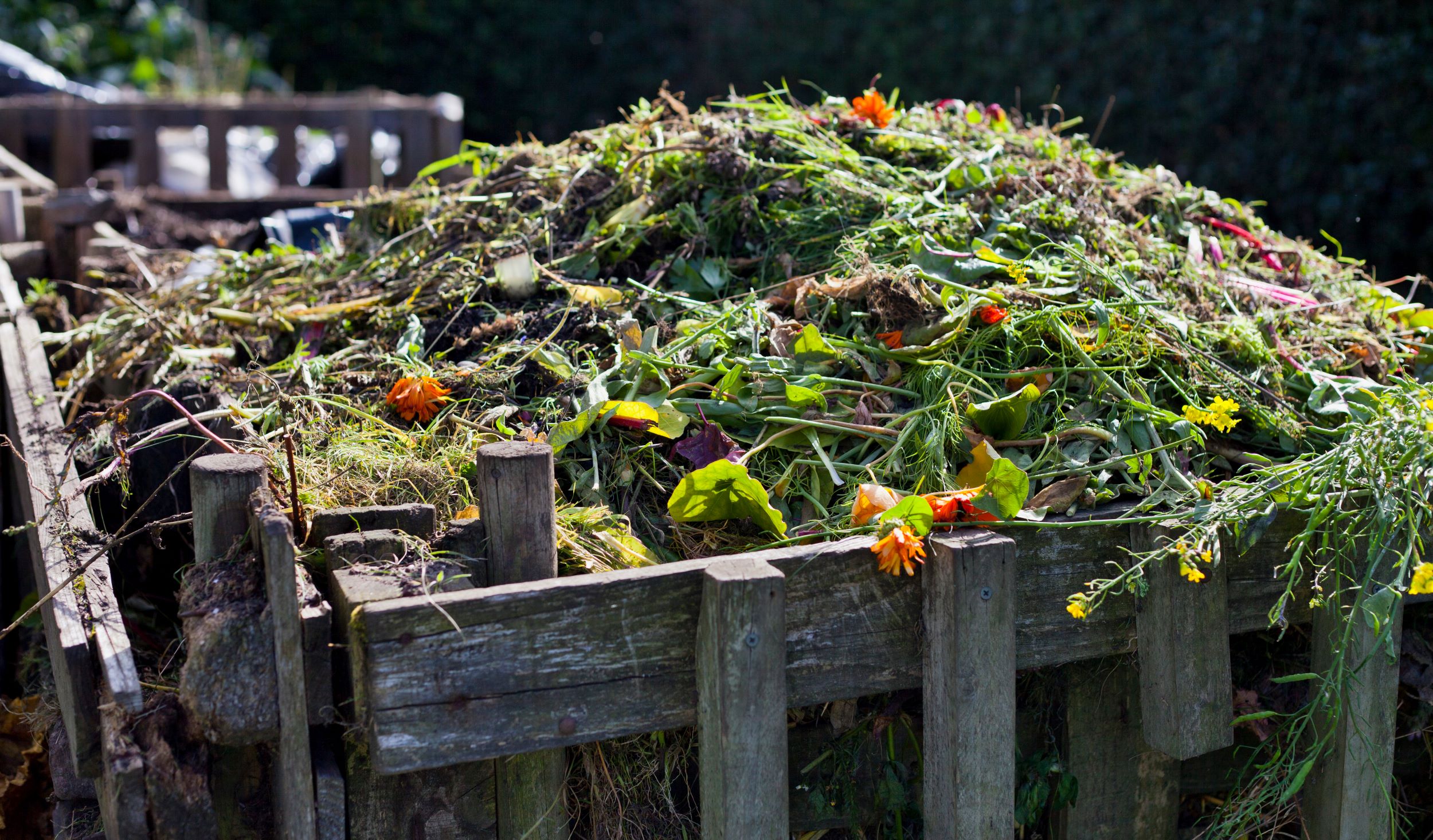
Garden – Home
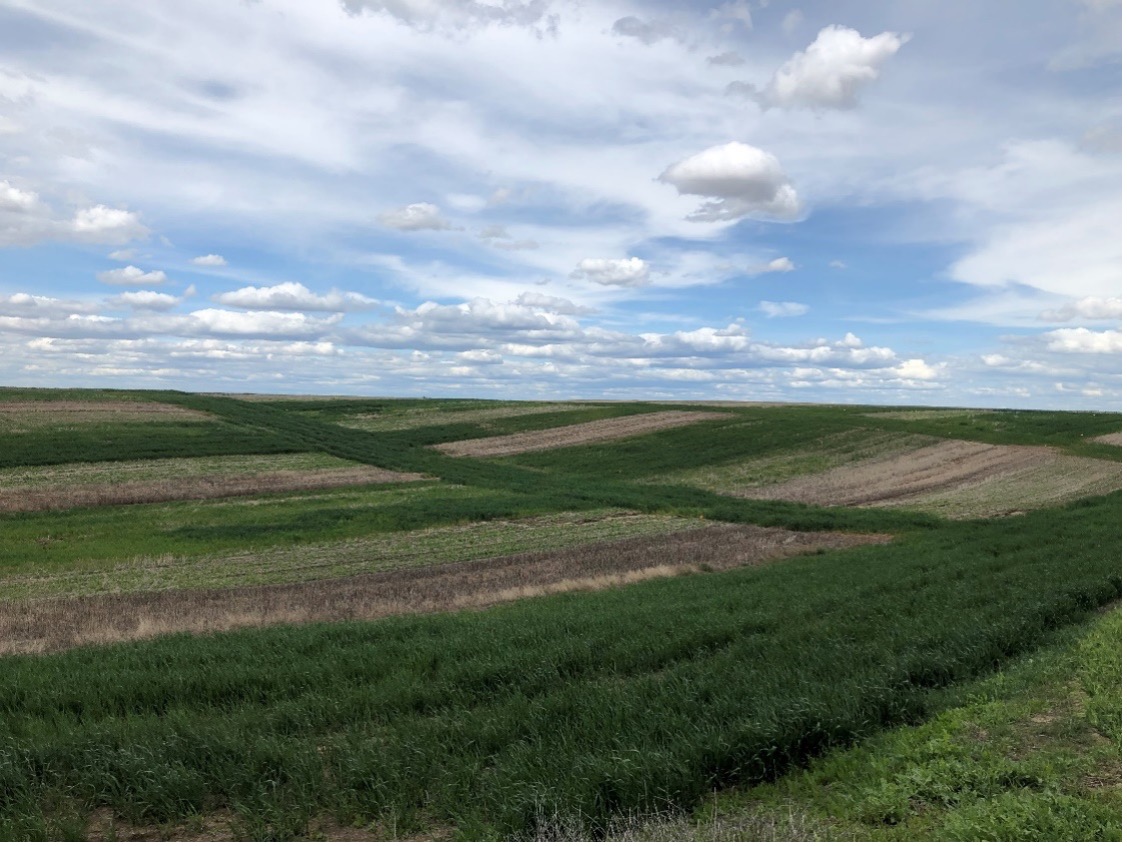
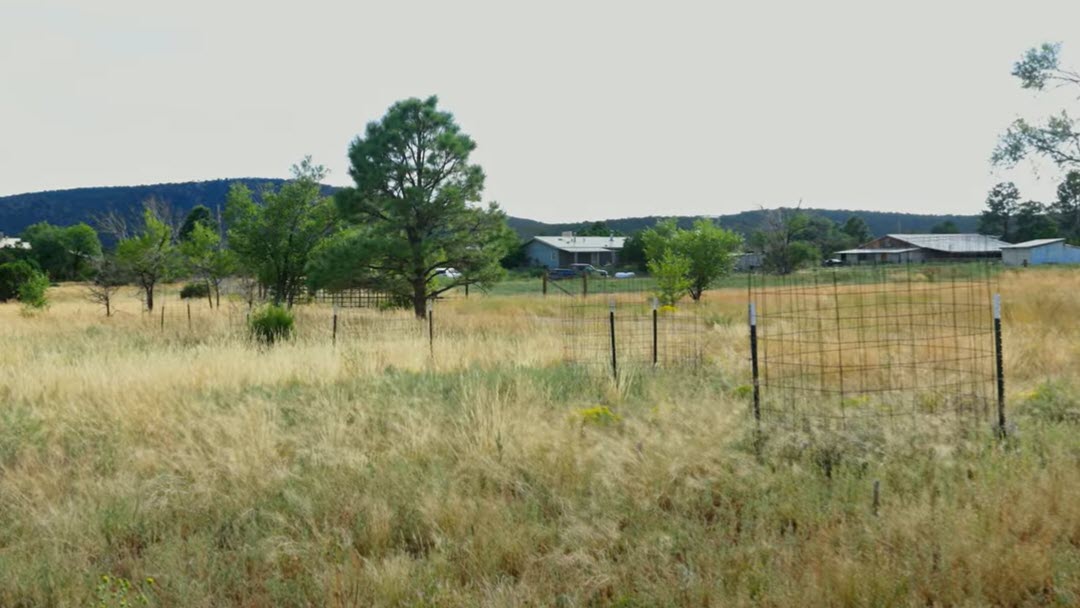
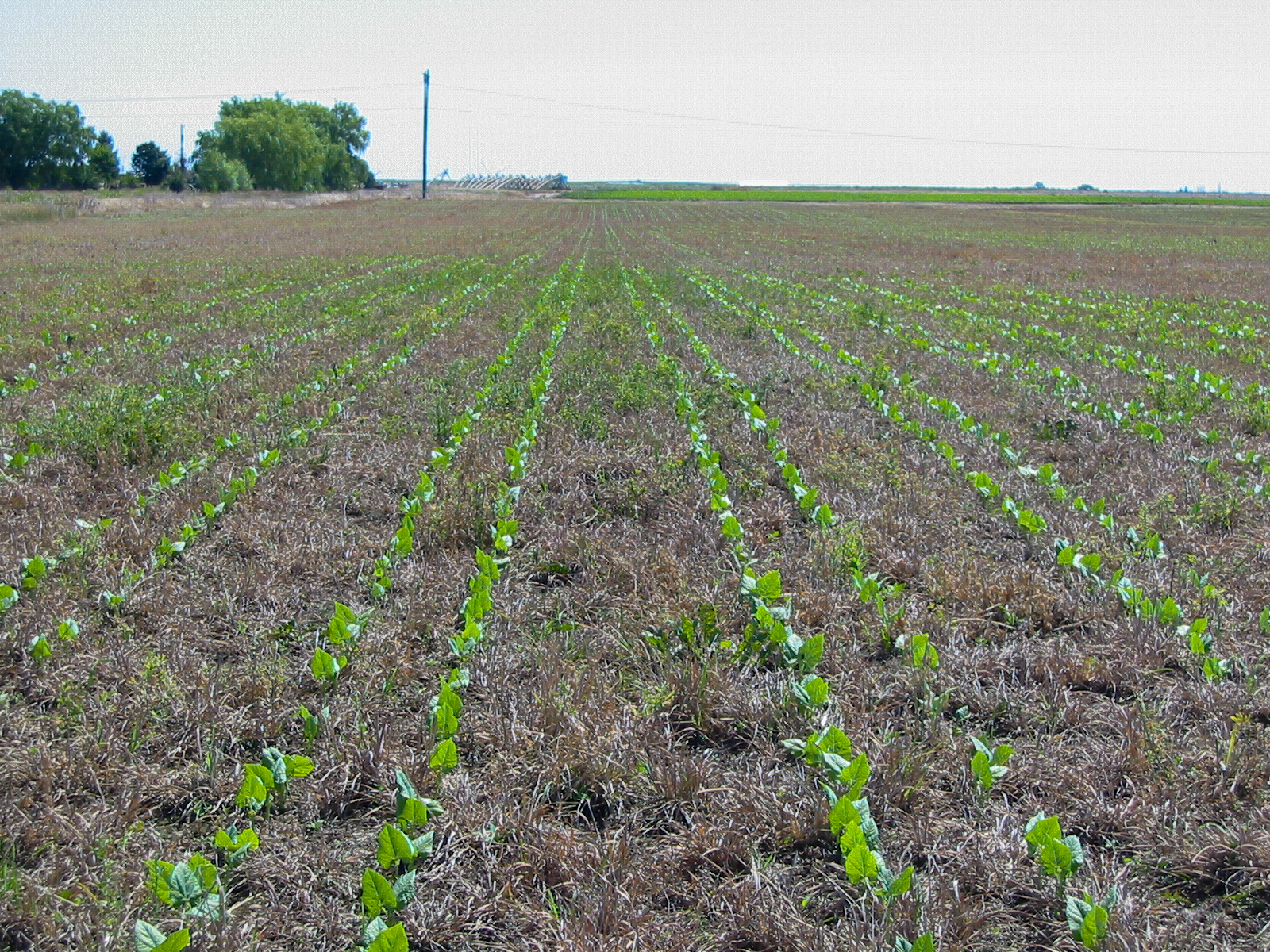
Agronomic – Dryland
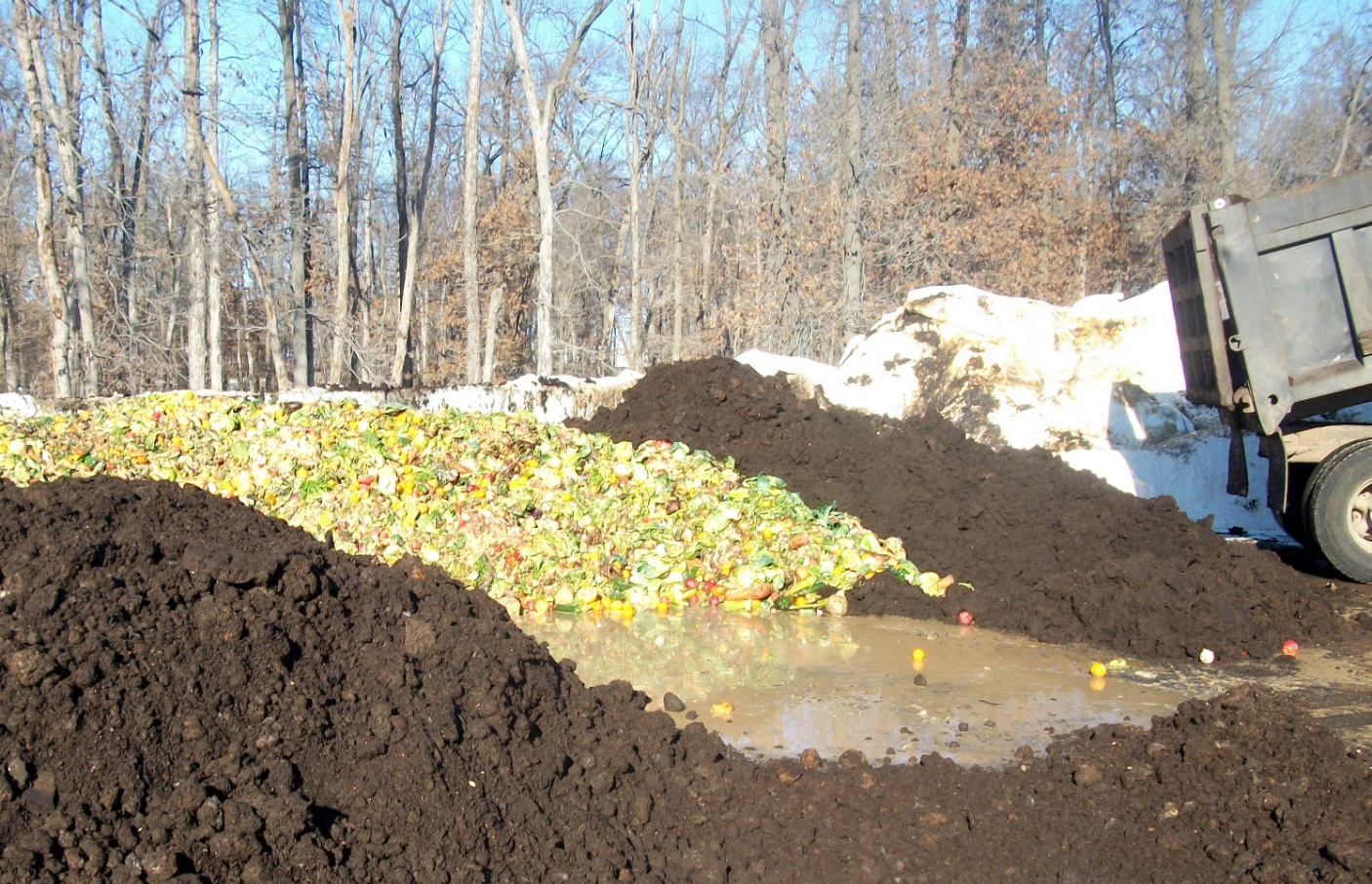
Municipal – Cost and Value
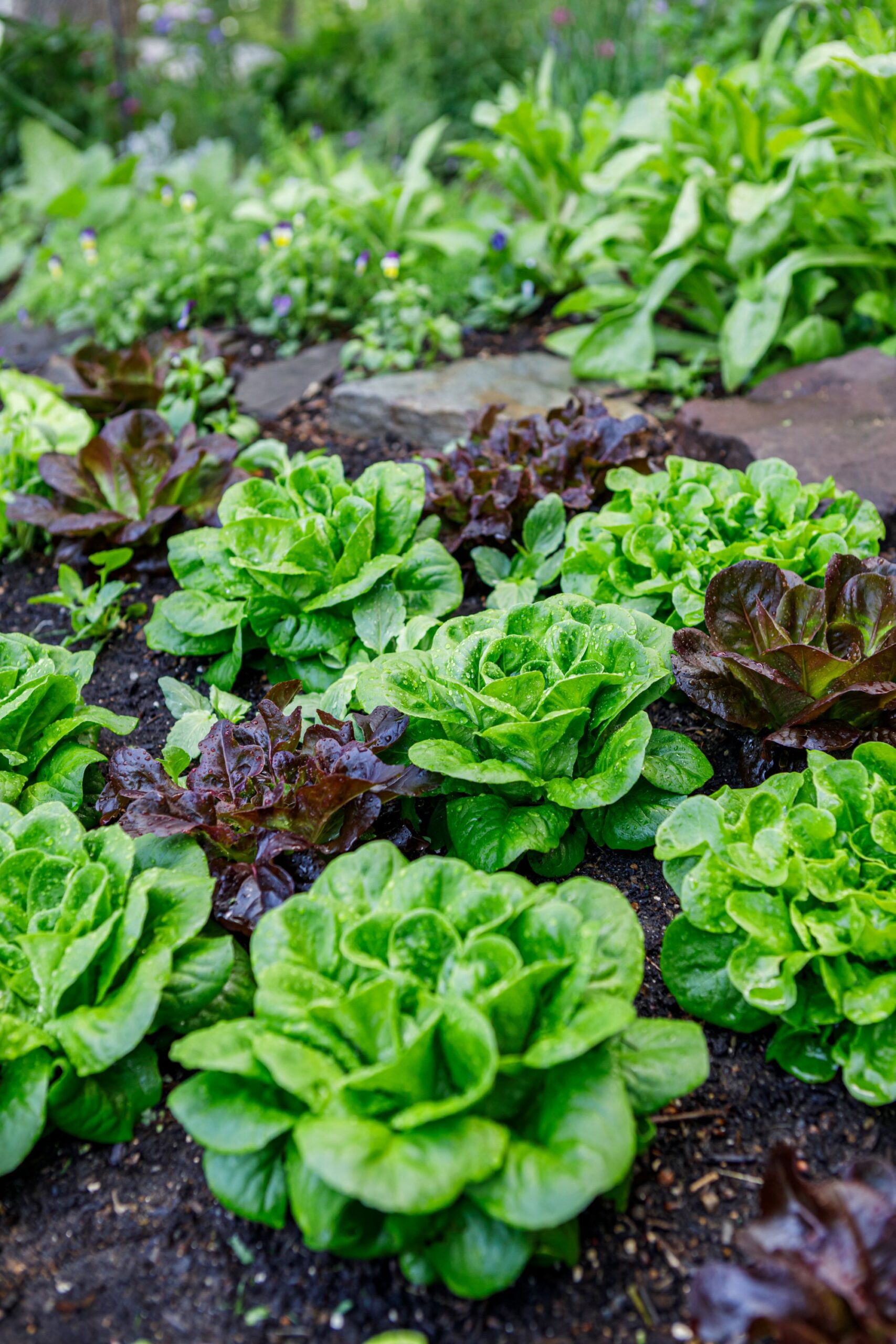
Garden and Small-Acreage
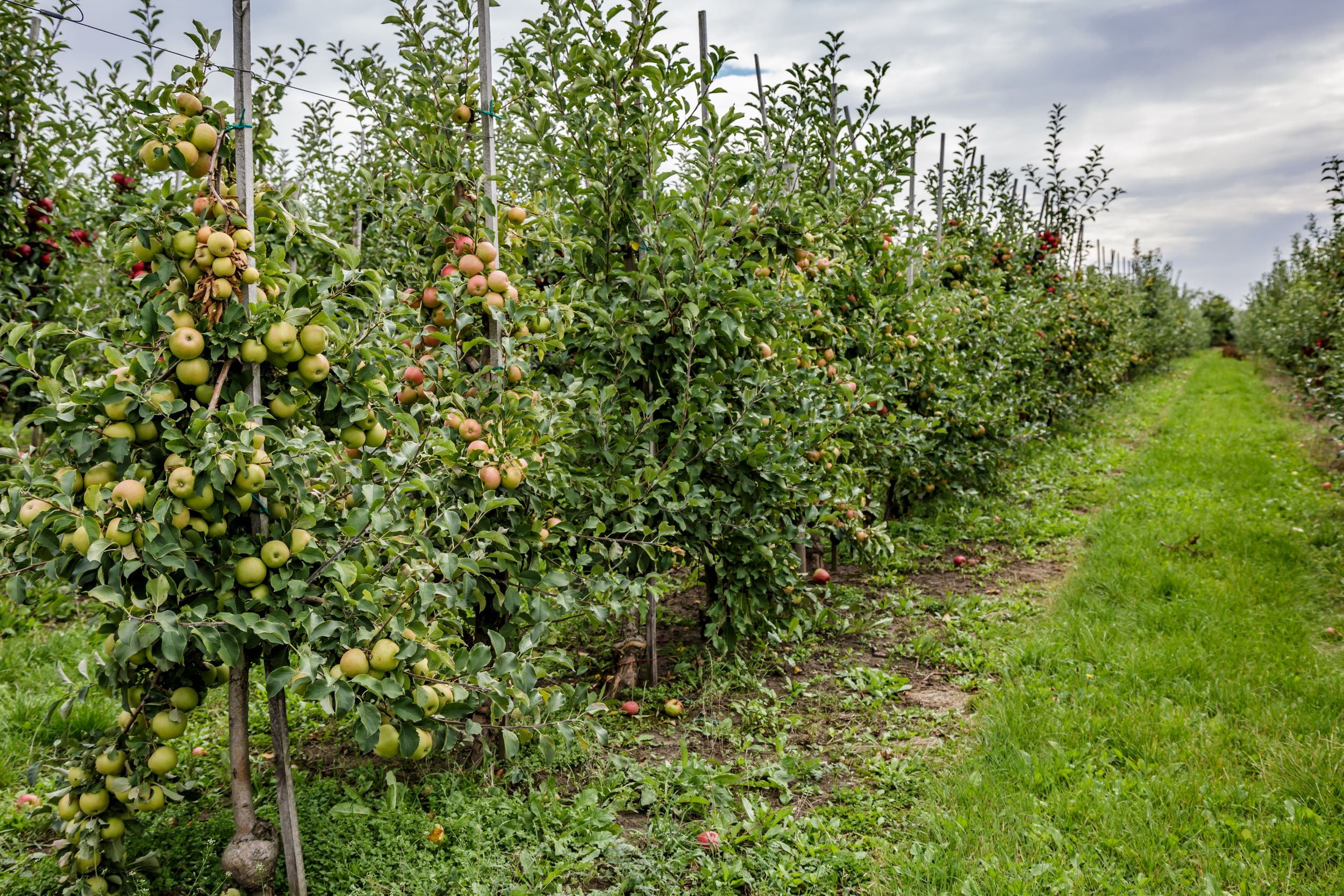
Agronomic – Tree Fruit
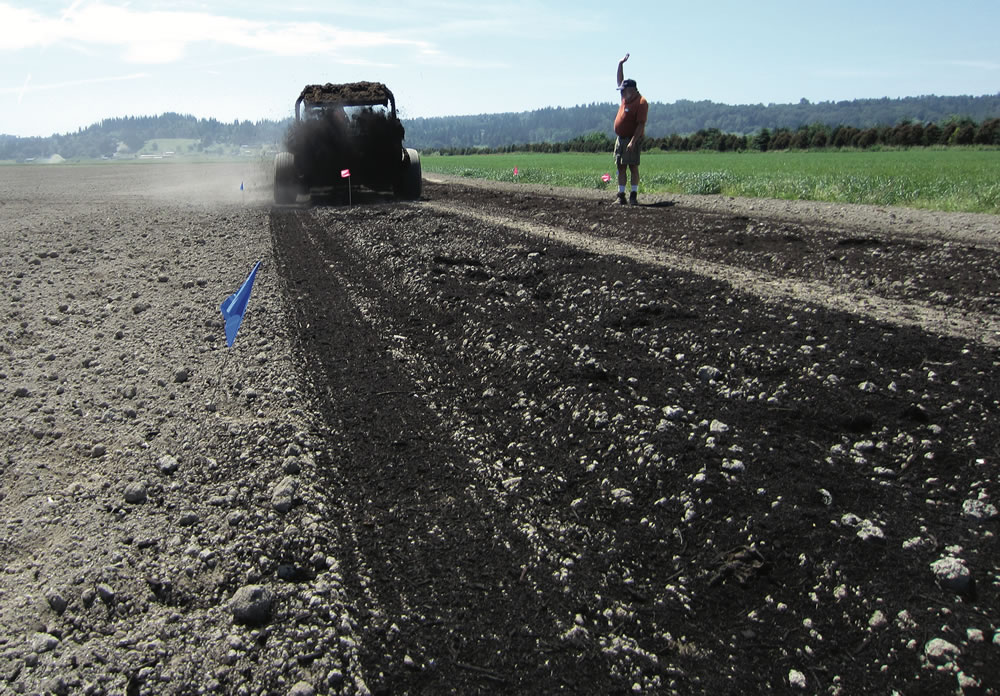
Municipal – Western WA
Creating Better Compost
Utilizing compost as a current solution does not mean the work stops there—WSU researchers and partners continue to work toward creating better outcomes for compost in terms of consistency, functionality, and climate impacts. As with most practices, continued study of complexity and nuance will improve usage and reduce barriers to adoption.
Learn more about the work and perspectives on the ongoing goals to make compost better!
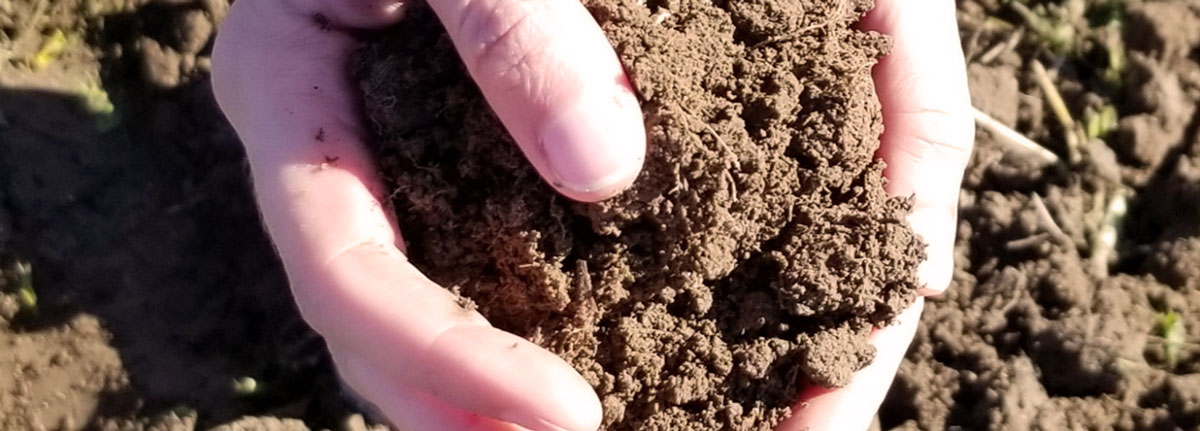
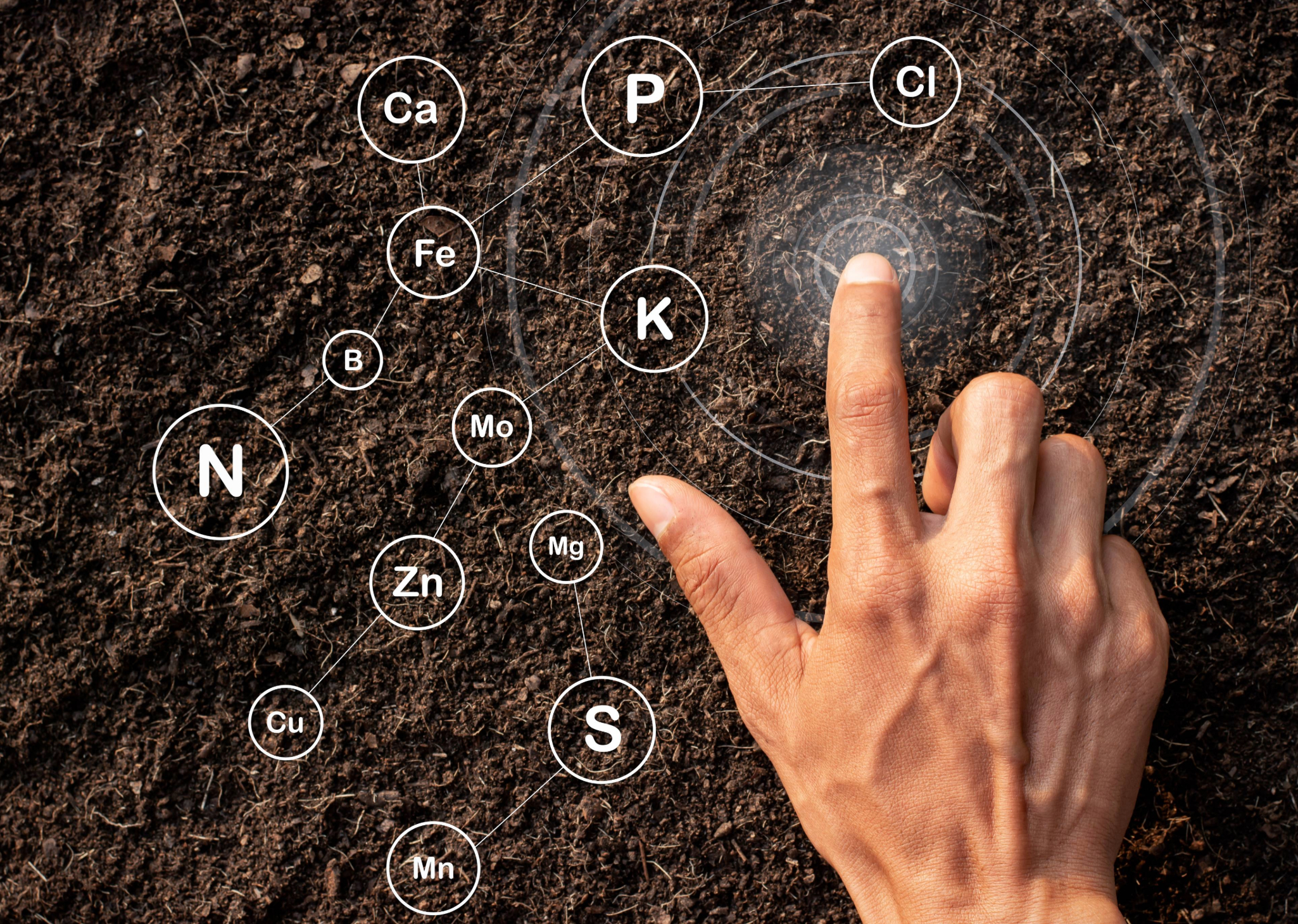
Garden – Nutrients
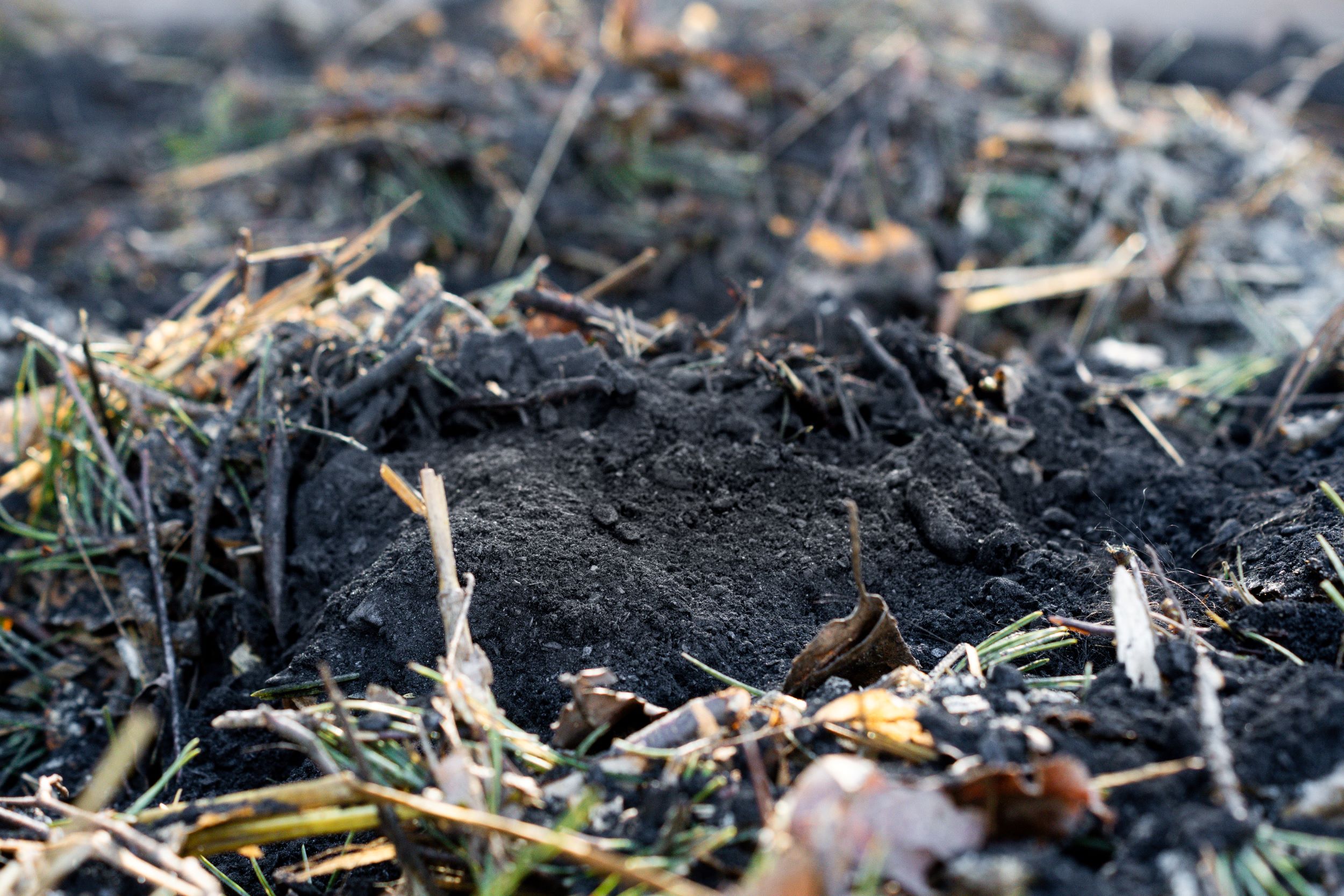
Agronomic – Biochar
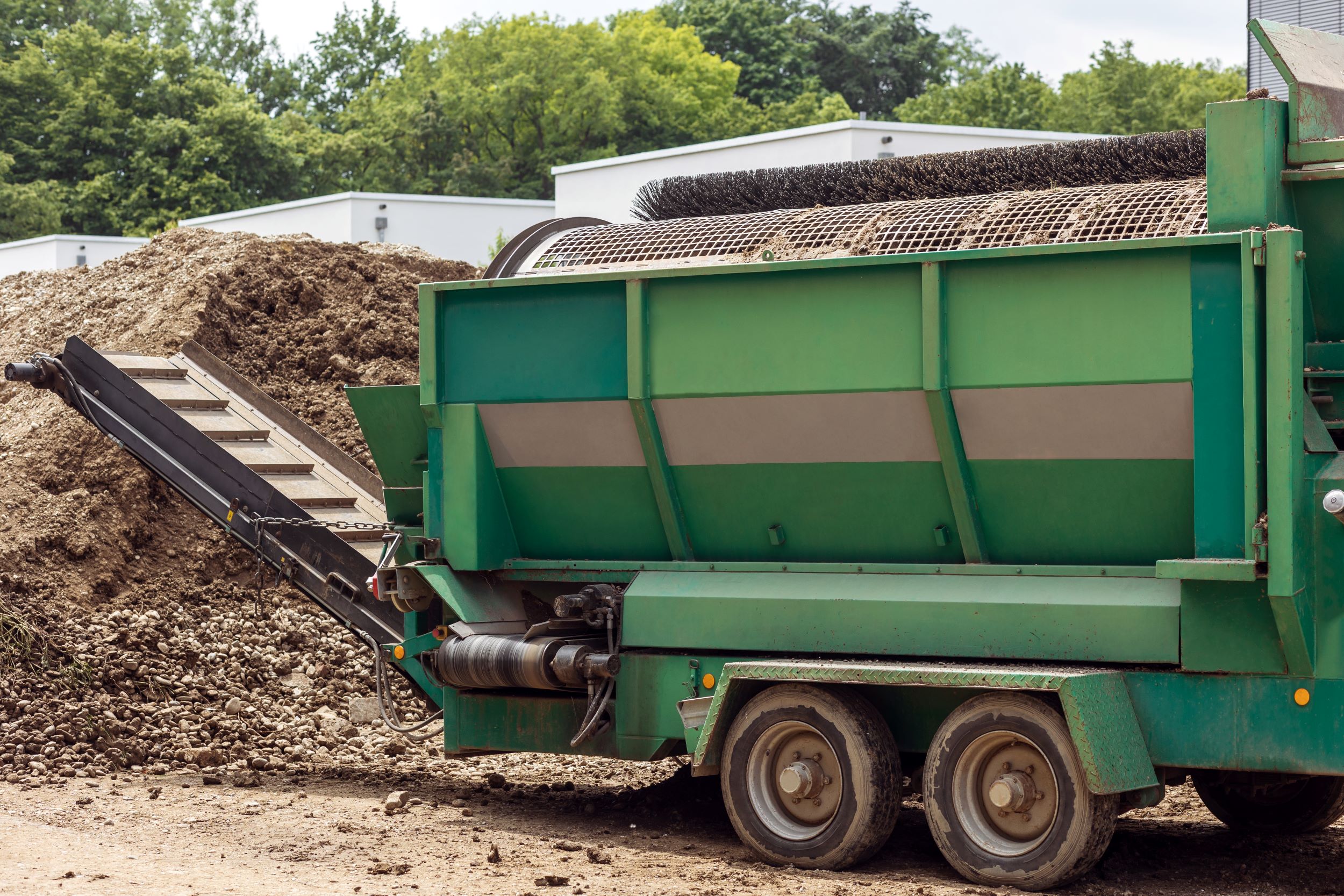
Municipal – Organics
Washington State