Practical Adaptation for Specialty Crops
Explore climate adaptation strategies in the field, build relationships across regions, and use decision-support tools to inform your work. Up to 12 Extension professionals will be selected for this week-long course in Washington’s Skagit Valley, with most expenses covered.
Practical Adaptation short course
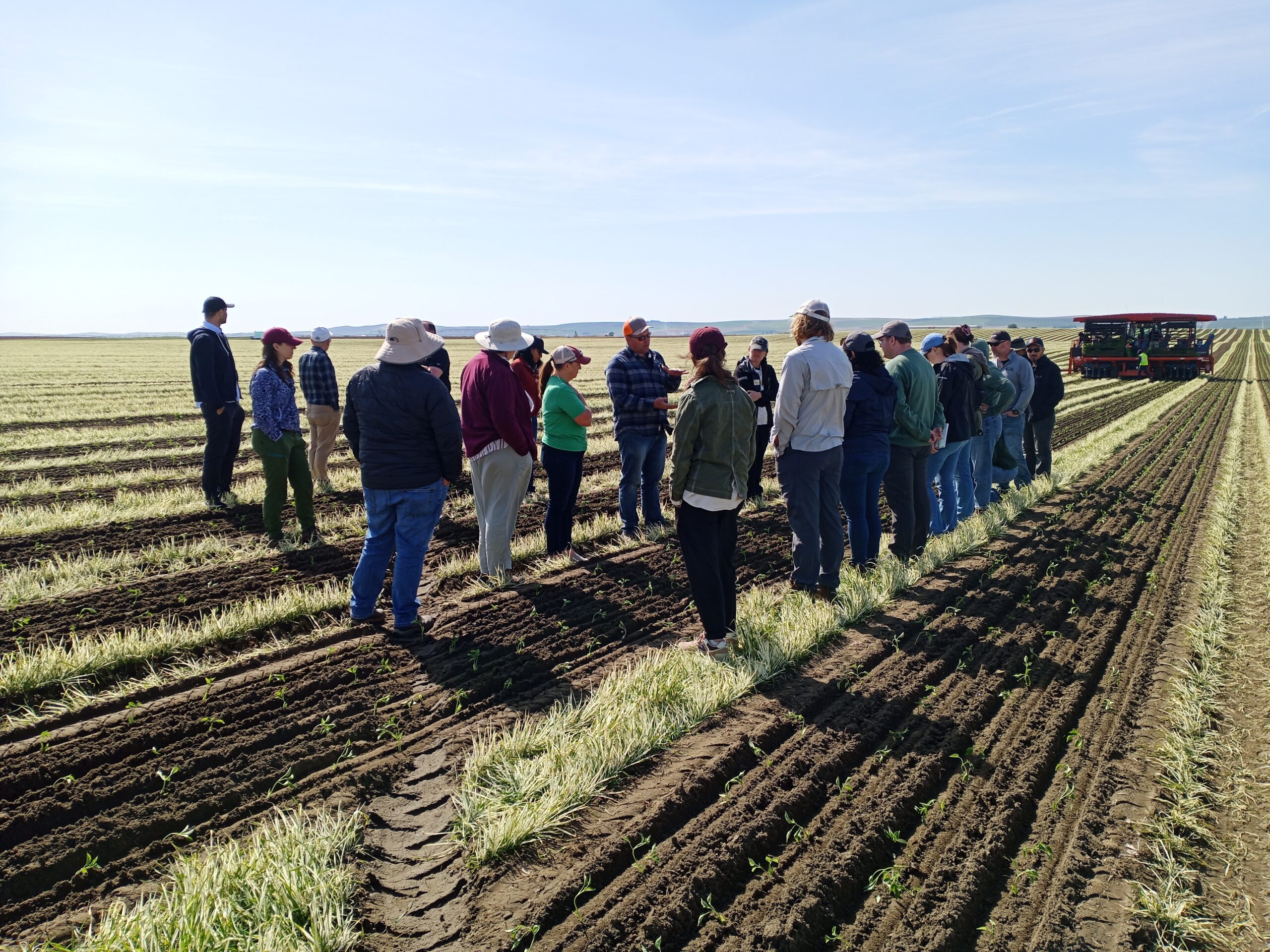
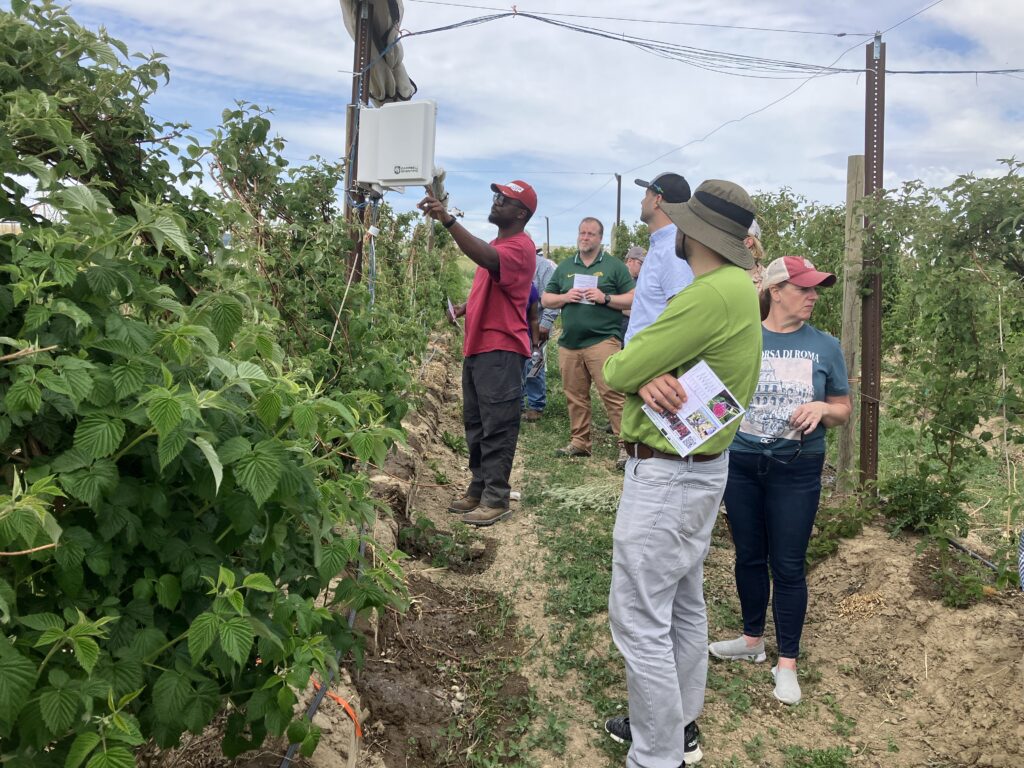
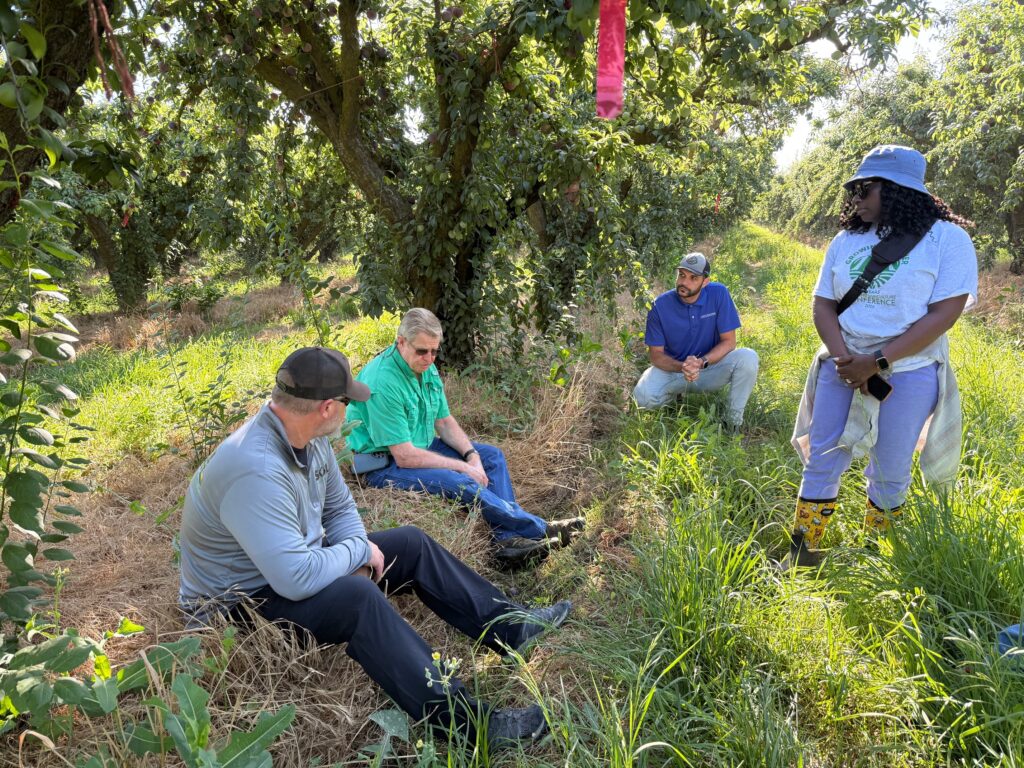
Practical Adaptation for Specialty Crops is a week-long course that features farm and research tours and indoor workshop time for discussion, decision support, and educational tool-based activities, culminating in communications strategy. By the end of the course, participants will be better prepared to:
- Engage growers in climate adaptation planning beyond the seasonal cycle.
- Build cross-regional relationships to provide perspective and expertise for future adaptation work and challenges.
- Use the climate analogs tool, AgroClimate tools, and scenario planning to update adaptation frameworks and educate colleagues and farmers.
- Feel supported by and connected to a community learning how to build climate adaptation into Extension work.
Upcoming courses
Sign up to receive info about future Climate Analogs Academy courses. Applicants who were not admitted to the fall 2026 Practical Adaptation for Specialty Crops course will be invited to apply for the next course, which will take place in Florida in February 2027. The Florida course will feature small fruit and citrus disease management, plus similar workshop content.Climate Analogs Academy

The Practical Adaptation for Specialty Crops is offered through the Climate Analogs Academy by a collaborative team from Washington State University, the University of Minnesota, the University of Florida, and USDA Climate Hubs. The project aims to empower U.S. Extension professionals to lead regional climate change adaptation in specialty crops. The Academy focuses on building dialogue around technical information and strengthening relationships across regions.
The Climate Analogs Academy is a USDA NIFA Extension Climate Hub Partnerships Project (20236701339348) led by Washington State University’s Center for Sustaining Agriculture and Natural Resources.