Practical Adaptation for Specialty Crops is a week-long, in-person course offered by the Climate Analogs Academy. The course is for Extension professionals who work with specialty crop producers.
The Practical Adaptation course will take place October 5–9, 2026, in Mount Vernon, Washington, with field tours and workshop sessions focused on specialty crop systems. Participants should plan to travel to the Skagit Valley on Sunday, October 4, and return home on Friday, October 9, after the course concludes.
Course overview
Practical Adaptation for Specialty Crops is designed to help Extension professionals initiate and sustain climate adaptation in their work. The course focuses on making climate change knowledge and adaptation options tangible, accessible, and actionable through cross-regional knowledge exchange, local case studies that showcase how local challenges are being addressed, Extension-led research on adaptation/mitigation, and developing workflows and communications to help producers bring climate strategy planning into focus alongside their short-term planning for weather.
Participants will leave with practical knowledge, skills, and a communication plan for achieving their goals with their target audiences.
Course objectives
By the end of the Practical Adaptation Course, participants will be better prepared to:
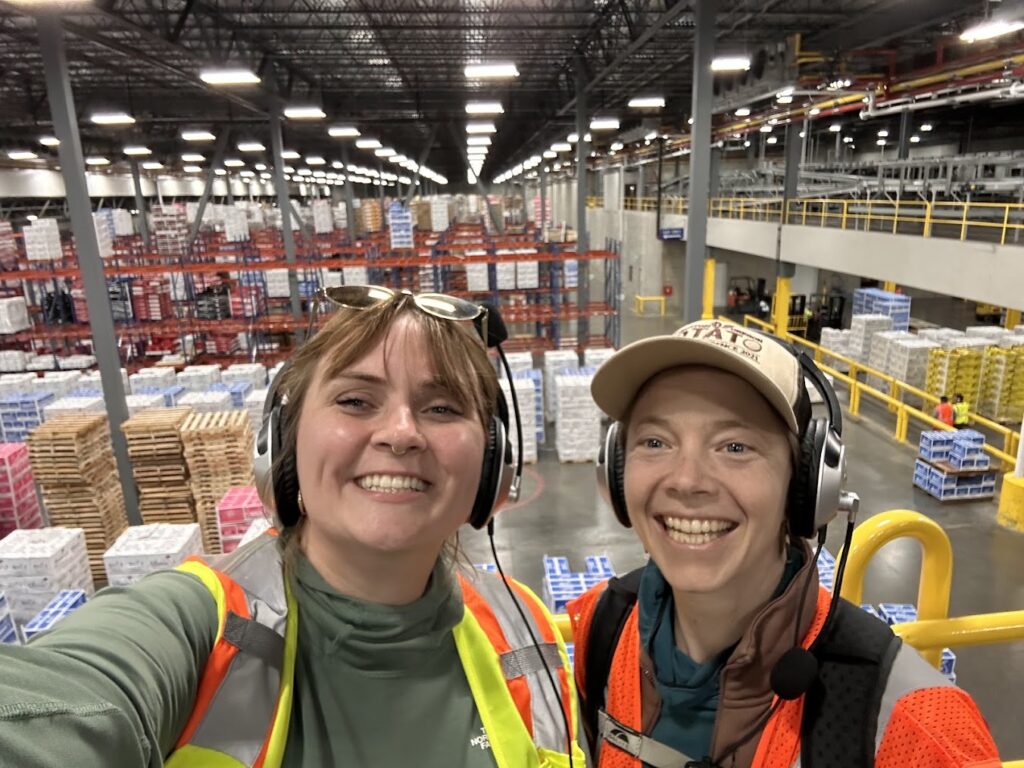
- Build practices to engage growers in planning and action beyond the seasonal cycle.
- Foster relationships across geographies that enable knowledge exchange related to climate-adaptive practices.
- Strengthen Extension professionals’ skills and agency to catalyze change in institutional, political, and community systems that support climate resilience in agricultural systems.
Course format
Practical Adaptation for Specialty Crops will run from Monday through Friday morning. Participants should plan to travel to the Academy on Sunday and depart Friday afternoon.
The week will include a mix of field tours, indoor workshop sessions, discussion, tool-based activities, and communication education and practice sessions. Active engagement throughout the course is expected.
Pre-course learning materials will be provided before arrival. Participants can complete these materials at their own pace, but should plan for at least one hour of preparation before the in-person course.
Field tours may involve standing and walking in farm fields for up to two hours at a time. Participants should bring clothing and footwear appropriate for outdoor agricultural sites.
Who should apply
Practical Adaptation for Specialty Crops is intended primarily for Extension professionals. Agricultural professionals such as certified crop advisors may be considered, as well as graduate students preparing for Extension, outreach, or applied agricultural careers.
Cost and travel support
There is no cost for accepted applicants to participate in the Practical Adaptation course. Most major expenses are covered, including course fees, hotel during the course, meals during the course, and flights to and from the course location.
Participants are responsible for meals during travel and transportation between the airport and the course location. Out-of-state participants may wish to fly to Seattle and take the Bellaire Shuttle to Burlington, WA. Recommendations and coordination will be offered for participants who wish to enjoy nearby site-seeing before or after the course.
Preliminary course schedule
The schedule below provides a preliminary overview of course topics and activities. Final timing, tour locations, speakers, and session details are subject to change.
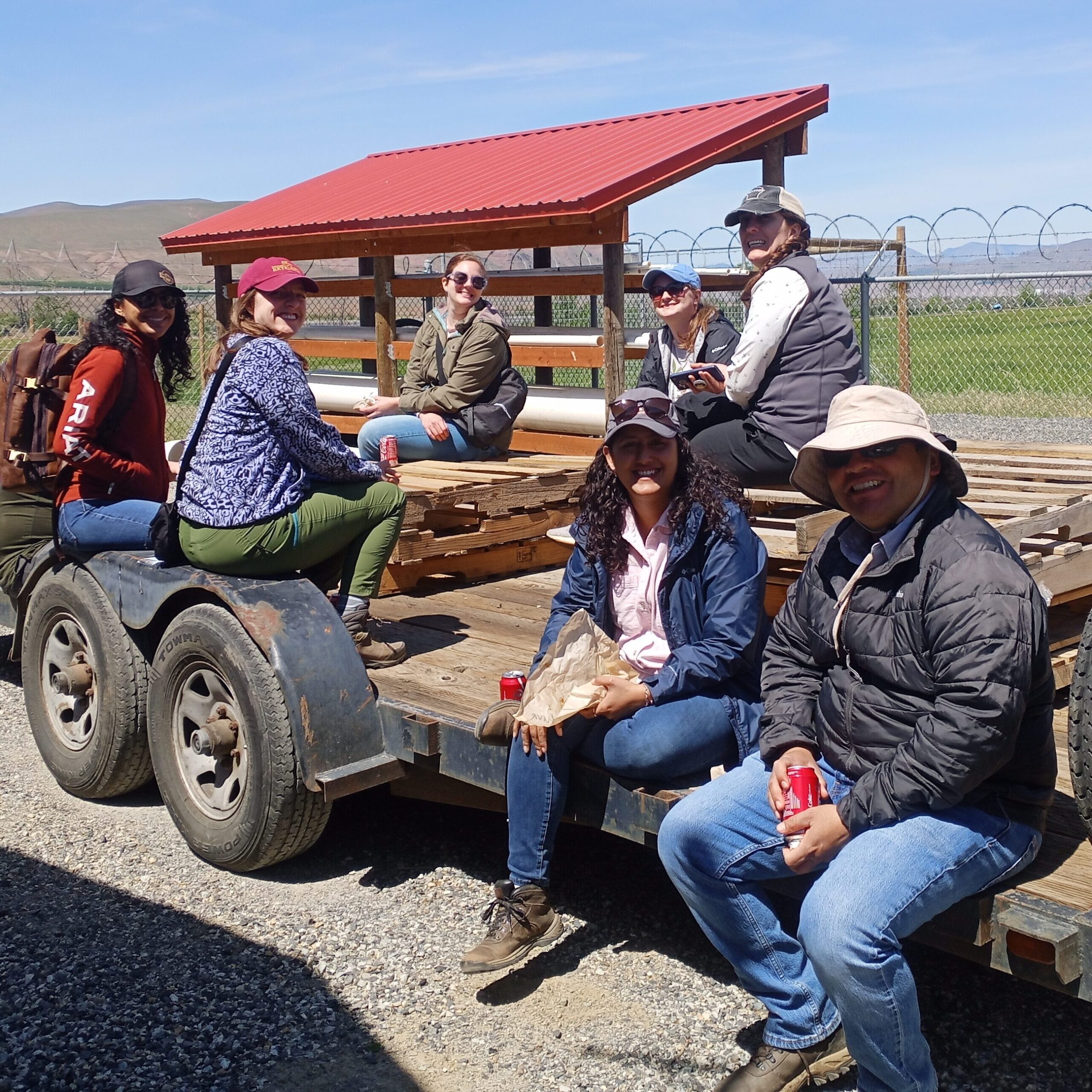
- Day 0: Travel, arrival, and tour kickoff. On Sunday, participants will travel to the course location and arrive at Washington State University, Northwestern Washington Research and Extension Center. The evening will include a welcome dinner and time to connect with other program participants.
- Day 1: Regional climate context. Monday, the first full day, will focus on grounding participants in the region’s climate context. Sessions will address flooding, sea level rise, heat events, and other climate-related stressors. A short tour will highlight the Skagit Valley’s cropping systems and climate context and facilitated and side discussions will seek out common ground on our climate adaptation challenges.
- Day 2: Local Extension research. Tuesday will include a session focused on Dr. Lisa DeVetter’s research in small fruit including blueberry physiology, raspberry heat mitigation research, and biodegradable plastic mulch research. A tour will include equipment demonstrations for measuring heat for research purposes (e.g., thermocouples) and mitigation (e.g., overhead sprinklers for multiple small fruit systems).
- Day 3: Adaptation action in practice. Wednesday will focus on farm tours and examples of adaptation action in practice. The tour may also feature local distribution hubs and incubator farms.
- Day 4: Scenario planning, policy, and ecological grief. Thursday will focus on building workflows to visualize the participants’ home climate to develop accurate and memorable communications. Tool demonstrations and practice activities will feature the Climate Analogs Tool for specialty crops, AgroClimate Tools, and scenario planning and conclude with trauma awareness programming to support educators coping with ecological distress.
- Day 5: Reflection, retrospective, and return travel. Friday, the final day, will focus on reflection and next steps for continued connection. Participants may begin their return travel mid-morning after the course concludes.
Upcoming courses
Sign up to receive info about future Climate Analogs Academy courses. Applicants who were not admitted to the fall 2026 Practical Adaptation for Specialty Crops course will be invited to apply for the next course, which will take place in Florida in February 2027. The Florida course will feature small fruit and citrus disease management, plus similar workshop content.Climate Analogs Academy

Practical Adaptation for Specialty Crops is offered through the Climate Analogs Academy by a collaborative team from Washington State University, the University of Minnesota, the University of Florida, and USDA Climate Hubs. The project aims to empower U.S. Extension professionals to lead regional climate change adaptation in specialty crops. The Academy focuses on building dialogue around technical information and strengthening relationships across regions.
The Climate Analogs Academy is a USDA NIFA Extension Climate Hub Partnerships Project (20236701339348) led by Washington State University’s Center for Sustaining Agriculture and Natural Resources.
Questions?
For questions about the course, eligibility, travel support, or application process, contact Teal Potter at teal.potter@wsu.edu.