Perspectives
Practical insights and opinions from agriculture and natural resources experts—brought to you by the Center for Sustaining Agriculture and Natural Resources.
The Dirt on Compost: How CSANR Has Helped Washington Waste Less and Grow More
By Allie Higginbotham, CSANR
Compost is like black magic—it can transform dry, lifeless soil into a rich, thriving foundation for growth. Whether you’re tending a backyard garden, managing a farm, or running a municipal facility, compost is a powerful tool that works at every scale. The benefits of compost are numerous. It improves soil structure, boosts water-holding capacity, contributes vital nutrients, and builds resilient soils.
Over the past few decades, CSANR has been at the forefront of advancing compost knowledge across Washington state. Research has explored compost use across a range of scales from improving soil fertility in home gardens, to managing municipal organic waste streams, to enhancing soil health and carbon sequestration in agricultural systems. This broad approach has helped build practical, science-based solutions for communities, farmers, and policymakers working to turn organic waste into valuable resources.
The work that CSANR has conducted on compost has been under the umbrella of many different programs. That’s why we highlighted CSANR’s long-term work on compost research through the #DigIntoCompost campaign in the spring. Our goal was to showcase what our Center does, how we do it, and to offer a view into the past for those who have more recently joined or started following our work.
Roots of compost research at CSANR
The Center for Sustaining Agriculture and Natural Resources officially launched in the summer of 1992, and while compost was an early area of interest, research didn’t gain momentum until the following year. In 1993, a water quality issue on the WSU Pullman campus from nearby animal facilities prompted a call for action. Dr. Dave Bezdicek, the CSANR director at that time, and David Granatstein, newly appointed Statewide Coordinator at CSANR, responded to the issue and proposed building a campus compost facility to better manage organic waste and protect local water resources. Construction began that same year and was completed in 1995. Since then, the WSU Compost Facility has created three types of compost on site: regular and certified organic compost sold to nurseries, and bedding material used for WSU’s animal care facilities. With the completion of the compost facility, compost research at CSANR began to take root and grow.
Evolving compost research at CSANR
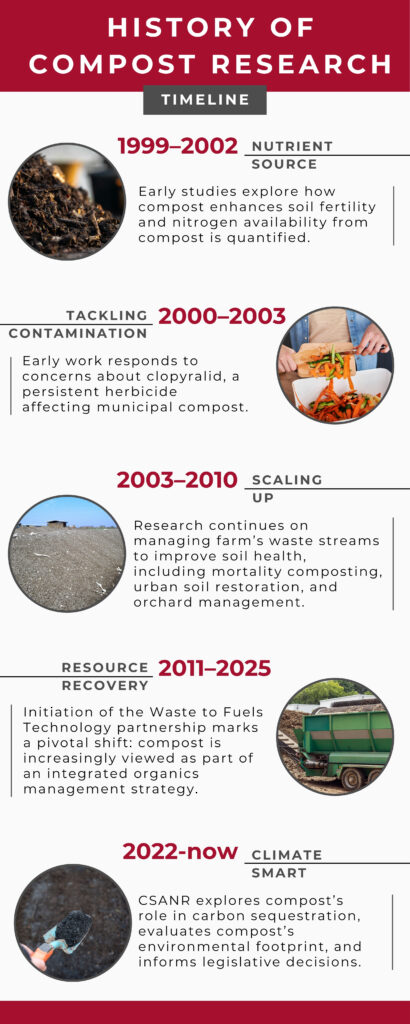
1999–2002
In the late 1990s into the early 2000s, researchers at CSANR focused on the application of compost in tree fruit orchards, public education across the state, and nitrogen availability in compost. In 1996, David Granatstein implemented on-farm compost trials and began writing the Compost Connection newsletter. In 1998, Dave Bezdicek and David Granatstein obtained funding from the Western SARE project for the Compost Education and Resources for Western Agriculture (CERWA). The project developed three videos on compost: Composting, a tool for Western Agriculture (aired 1997); Compost—a Resource for Western Agriculture (aired 1999); and The Future Trends for Agricultural Composting and Compost Use.
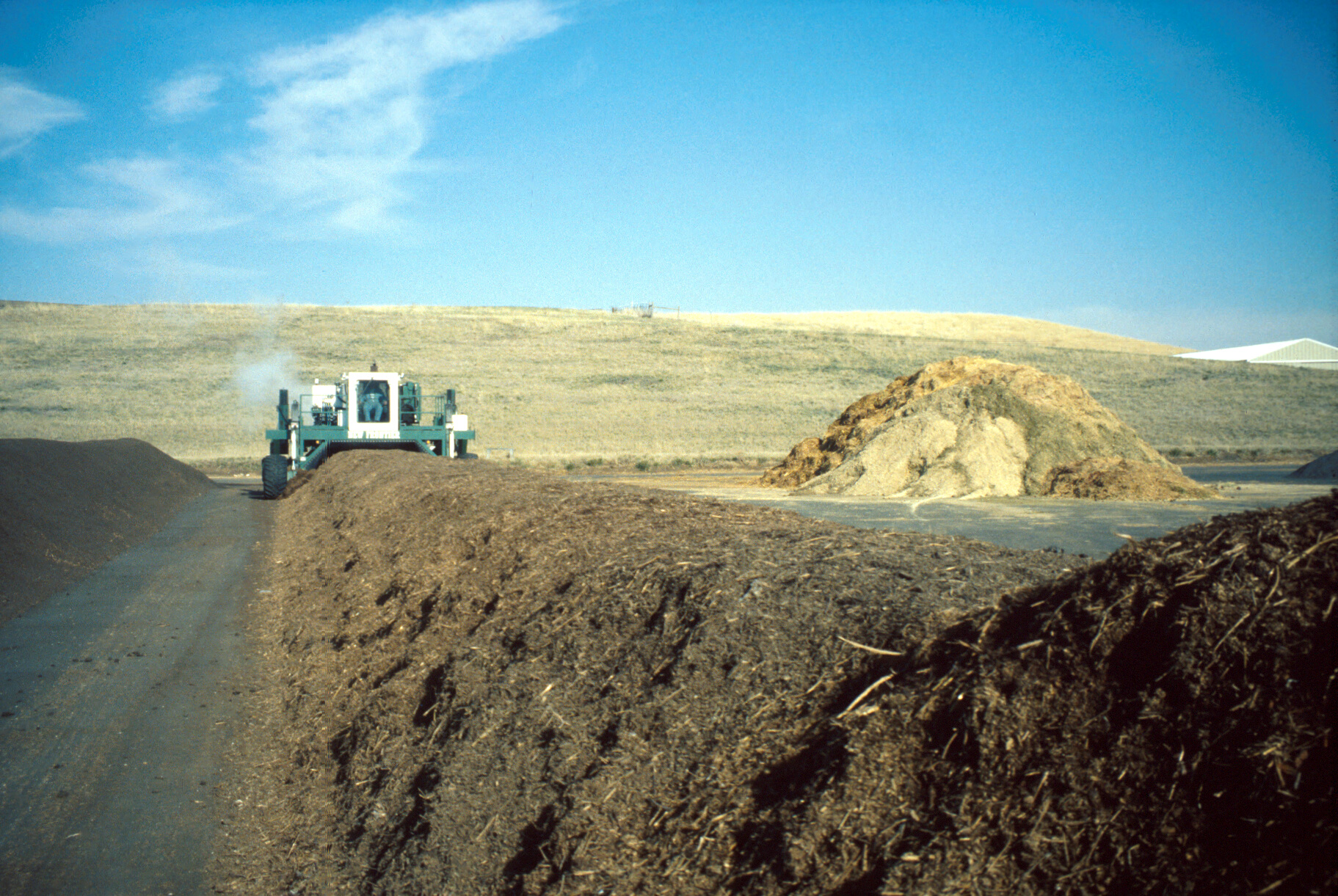
Other early studies examined how compost derived from biosolids could enhance soil fertility and quantify nitrogen availability from compost (Sullivan et al., 2004). Compost was found to have the greatest benefit to improving soil quality and winter wheat crop yield when applied to Palouse soil in comparison to coal ash, wheat straw, and inorganic nitrogen (Cox et al., 2001).
Since 1999, CSANR has partnered with the Washington Organics Recycling Council (WORC) to hold annual Compost Facility Operator Trainings at the WSU Puyallup campus. Dr. Doug Collins currently sits on the board of WORC, teaches classes, and coordinates the hands-on training activities.
2000–2003
Research in the early 2000s expanded to address herbicide contamination in municipal compost. Work by Dave Bezdicek, Mary Fauci, and Craig Cogger identified herbicide contamination from persistent compounds like clopyralid. These herbicides were shown to reduce plant growth in compost-amended greenhouse potting mix soils, which sparked studies on herbicide degradation rates and management strategies to safeguard compost quality.
2003–2010
Around the mid to late 2000s, compost research began to address more on-farm waste management challenges and turn towards applying compost to improve soil health. Research into compost teas on farms became a topic of interest that continues today. Andy Bary led research on mortality composting of animal carcasses, specifically poultry. Later, work expanded into large animal mortalities by Dr. Carpenter-Boggs, which explored effective techniques for disease control and nutrient cycling. The launch of CSANR’s BIOAg Grant Program in 2006 broadened the range of research topics, supporting innovative projects to advance the development, understanding, and use of biologically intensive, organic, and sustainable agriculture in Washington state. At the same time, researchers investigated how compost can improve soil health by restoring urban soils and improving nitrogen partitioning in organic apple orchards. CSANR has a long history of outreach and education, including publishing free guides for backyard composting and soil fertility in organic systems.
2011–2021
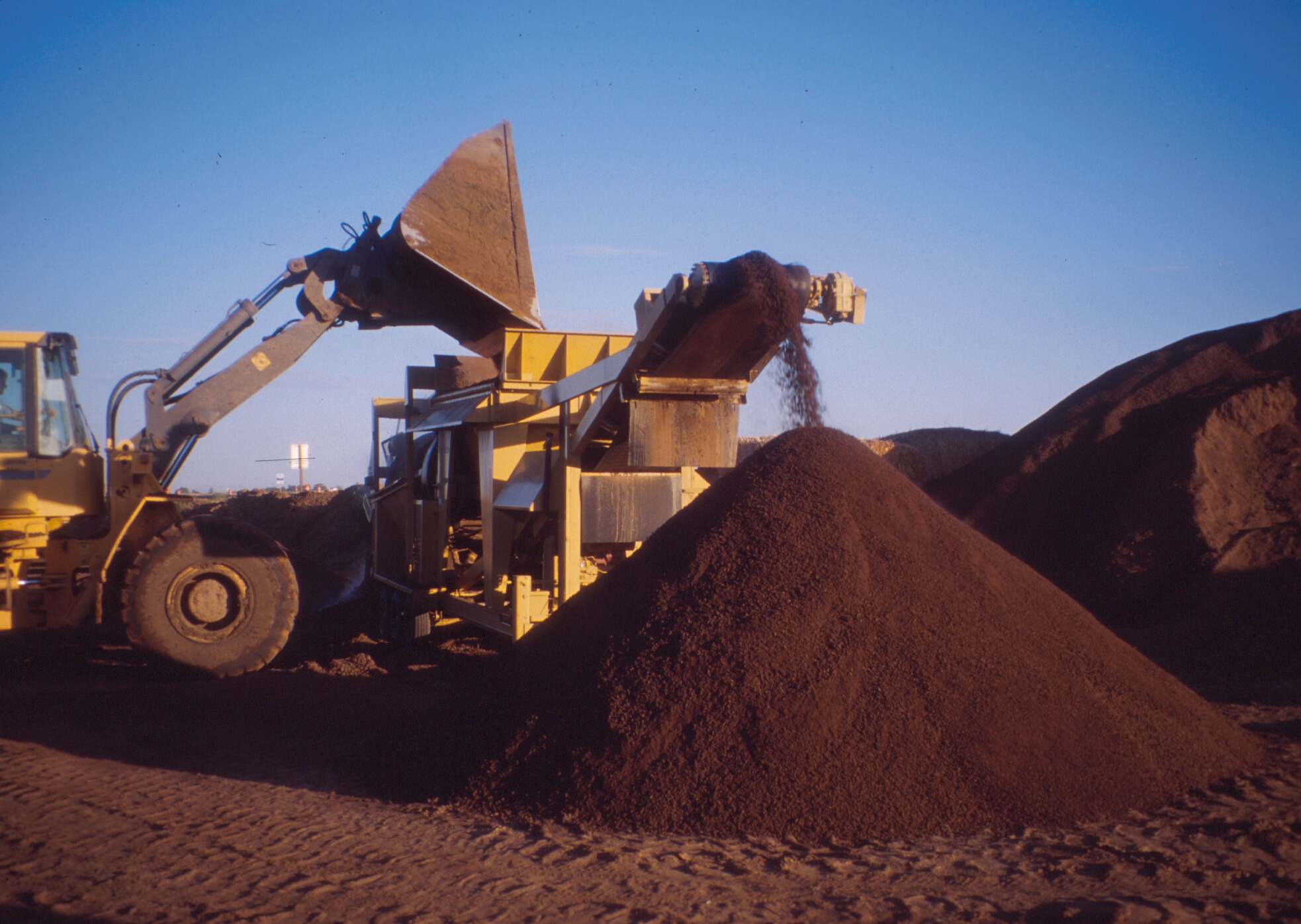
In 2011, the Waste to Fuels Technology (WTFT) partnership was established with the Washington State Department of Ecology. The partnership supports the strategic goals of the State Solid and Hazardous Waste Management Plan, along with research that facilitates the commercialization of organic processing technologies. The WTFT partnership launched a wave of applied research focused on recovering organic “waste” and converting it into valuable products through anaerobic digestion, pyrolysis, composting, and other processes.
As commercial composting operations expanded across the state, the tree fruit industry expressed concern that moving organic materials around the state could jeopardize efforts to control the quarantined apple maggot pest. At the request of the Washington State Departments of Ecology and Agriculture, the CSANR Director collaborated with entomologist Wee Yee from the USDA Agricultural Research Service to assess mitigation strategies to ensure the protection of our important fruit crops.
The WTFT research, and work by CSANR-affiliated WSU faculty and students, are varied and vast. Topics include integrating composting with anaerobic digestion and pyrolysis, transforming composting facilities into biorefineries, and quantifying greenhouse gas emissions from composting operations. Dr. Manuel Garcia-Perez and colleagues have researched converting composting facilities into biorefineries, producing engineered biochar, and carried out techno-economic analysis on biochar production. Dr. Tom Jobson and colleagues have been quantifying emissions of volatile organic compounds and greenhouse gas emissions from commercial composting facilities.
The economics of composting across Washington state has also been a topic of interest for WTFT projects over the years. For example, Karen Hills led a study that looked at the cost and demand of compost from composting facilities. Dr. Mike Brady assessed compost policies and the design of recycling programs to efficiently divert organic waste. Dr. Jim Amonette focused on assessing the production of biochar from forestry residues and the potential for carbon dioxide drawdown across Washington. This list is not an exhaustive; technical reports and biennium reports can be found on our website.
2022–current
These days, CSANR recognizes compost as a climate change mitigation solution. Current research at CSANR is exploring how compost use can enhance carbon sequestration, understanding the emissions of compost facilities, measuring emissions from compost facilities and volatile organic compounds from compost, reducing compost odors with biochar, and combining biochar with compost to reduce nitrogen loss to increase crop yields.
In addition to research, CSANR continues to support the Compost Facility Operator Training in conjunction with the Washington Organics Recycling Council.
Become a compost advocate
At CSANR, compost isn’t just an afterthought; it’s a key ingredient in building healthier soils and reducing organic waste throughout Washington. From backyard gardens to large-scale farms, decades of research show that compost improves soil quality, boosts water retention, and enhances nutrient availability. In many ways, compost still feels like black magic—transforming waste into something deeply valuable. Join CSANR in championing compost as a powerful tool for sustainability and help spread the magic.
Comments
Y’all left out the great research on composting mammals including Homo sapiens!