Projects
SHERI for Washington Dairy Farms Sustainability
Developing low-cost sensing networks to monitor dairy farm greenhouse gas emissions and support data-driven management decisions.
Climate Resilience Plan
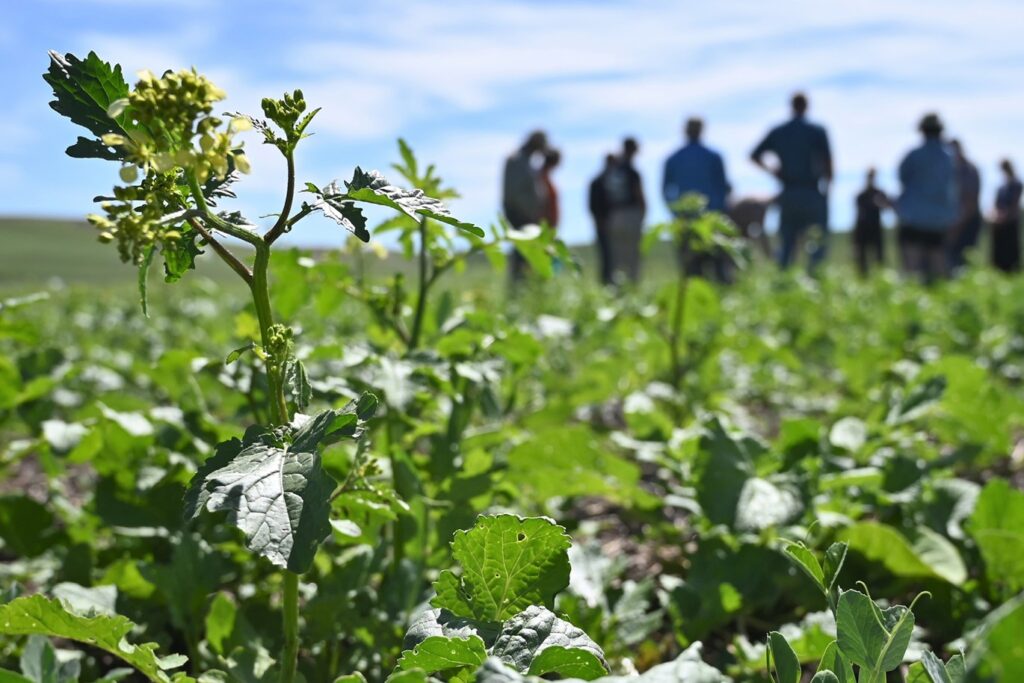
Statewide effort to strengthen Washington agriculture’s resilience to climate risks through research, engagement, and action.
At-School Youth Farmers Markets: Can Hands-on Experience Purchasing Fruit and Vegetables Grown on BIOAg Farms Influence Valuation of Local Farming and Family Shopping Habits?
School-based youth farmers market tests whether hands-on purchasing shifts family habits and support for BIOAg farms.
Climate Analogs Academy
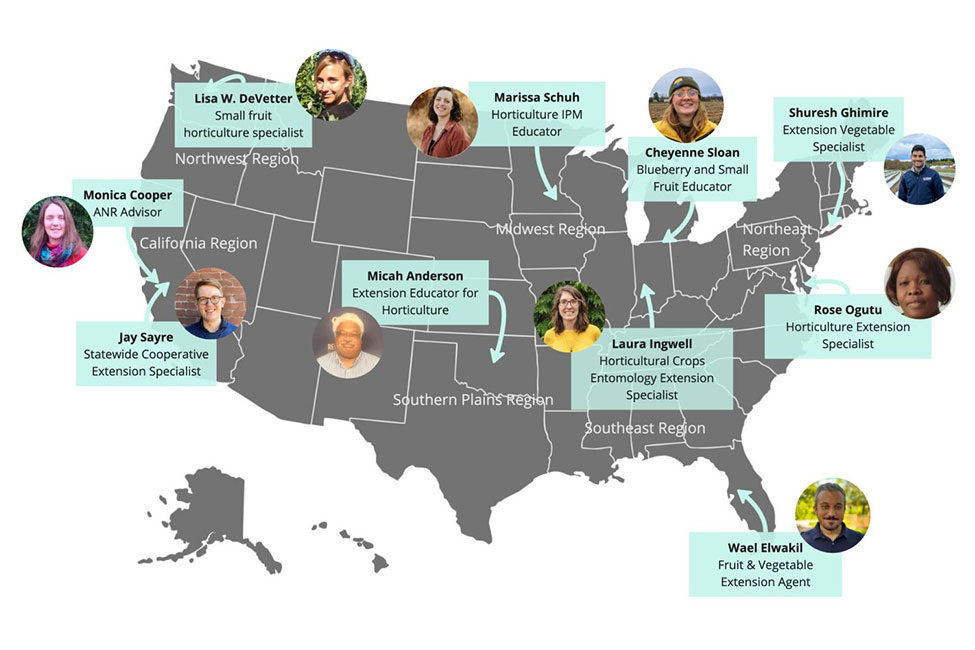
Training U.S. Extension professionals to apply climate analogs for practical climate adaptation in specialty crop systems.

Technology for Trade: New Tools and New Rules for Water Use Efficiency in Agriculture and Beyond
Integrating forecasting, remote sensing, and smart markets to improve water allocation and drought resilience in western agriculture.
Improving Soil Health in Diversified Agroforestry and Silvopasture Systems of NE Washington
Develops machine learning to predict soil organic carbon using satellite imagery for improved carbon incentive accounting.
Wastes to Fuels Technology Partnership (2021–2023)
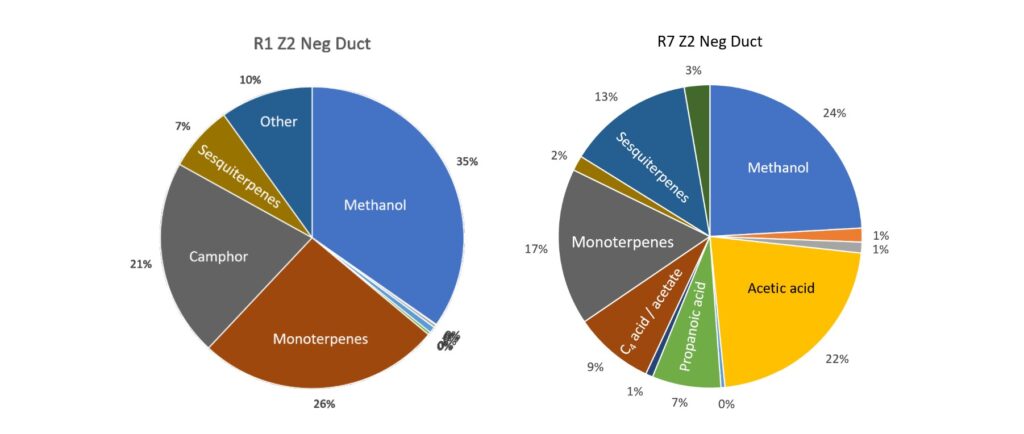
State partnership advancing composting, anaerobic digestion, and waste-to-fuels technologies across Washington.
StockSmart
Decision-support project using long-term, spatial forage data to support sustainable grazing and climate-resilient rangeland management.
Products
At-School Youth Farmers Markets: Can Hands-on Experience Purchasing Fruit and Vegetables Grown on BIOAg Farms Influence Valuation of Local Farming and Family Shopping Habits? Final Report
Final report summarizes a youth farmers market project connecting students and families with local BIOAg produce.

StockSmart Meetups
Free monthly virtual meetups helping users build skills, troubleshoot workflows, and apply StockSmart to grazing decisions.
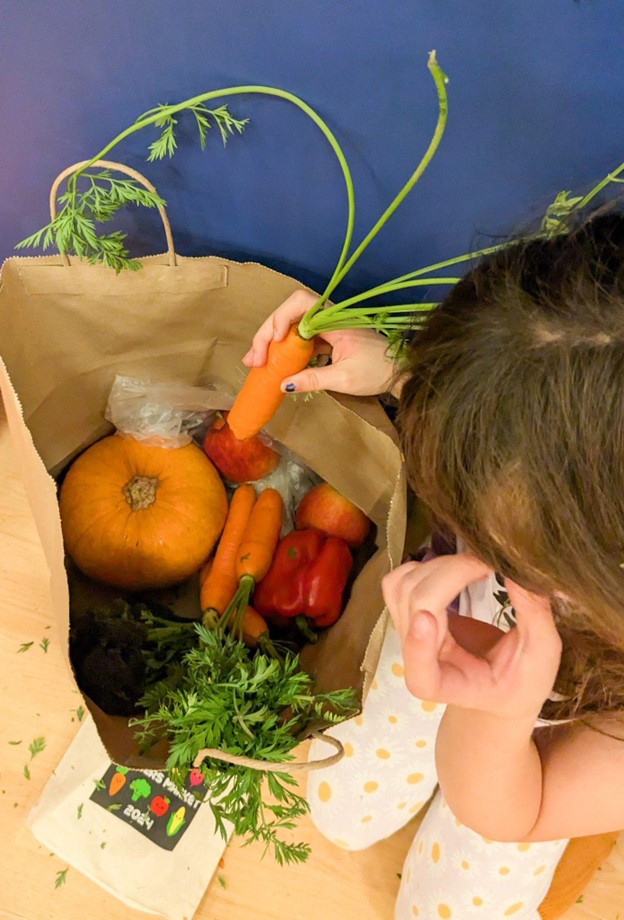
Students Shop Local at Youth Farmers Market
Youth farmers market helps elementary students shop independently, try local produce, and build healthier food preferences.
AI Literacy Toolbox
Eleven-video series equips agricultural professionals to understand, assess, and communicate AI in sustainable agriculture.
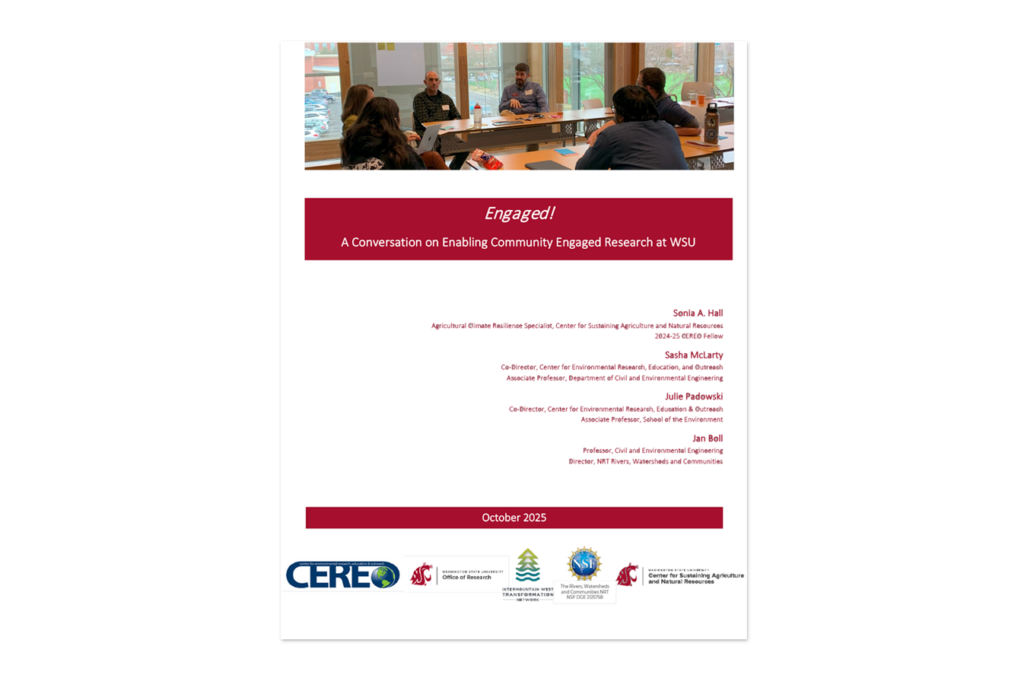
Engaged! A Conversation on Enabling Community Engaged Research at Washington State University
Collaborative summit identifies barriers and recommendations for how Washington State University could to strengthen community engaged research.
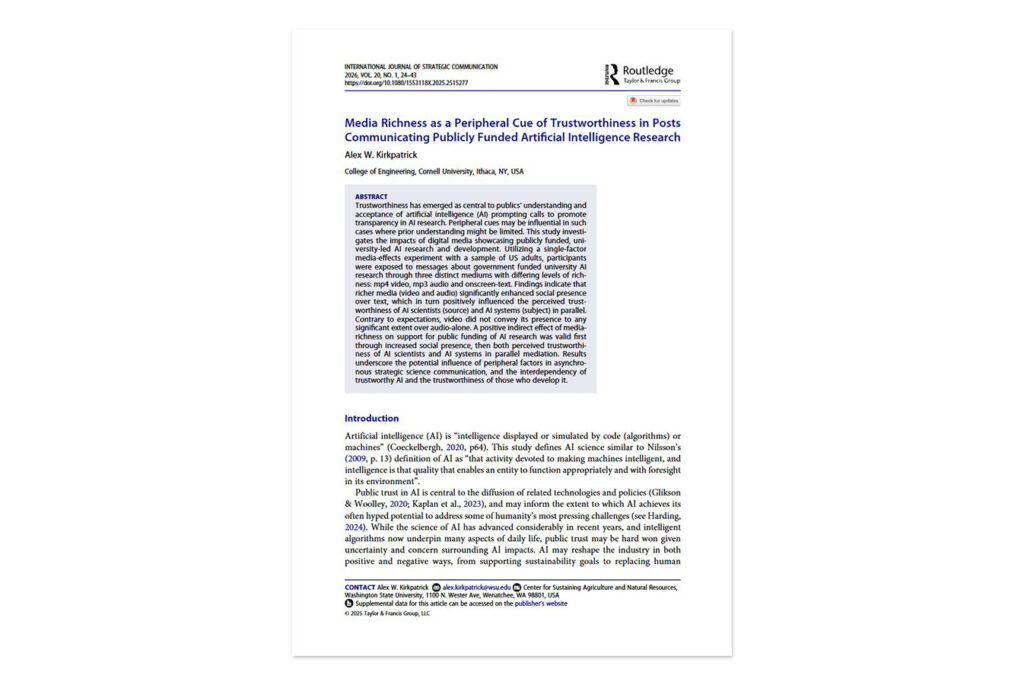
Media Richness as a Peripheral Cue of Trustworthiness in Posts Communicating Publicly Funded Artificial Intelligence Research
This study examines how media richness influences perceived trustworthiness in social media posts communicating publicly funded artificial intelligenc
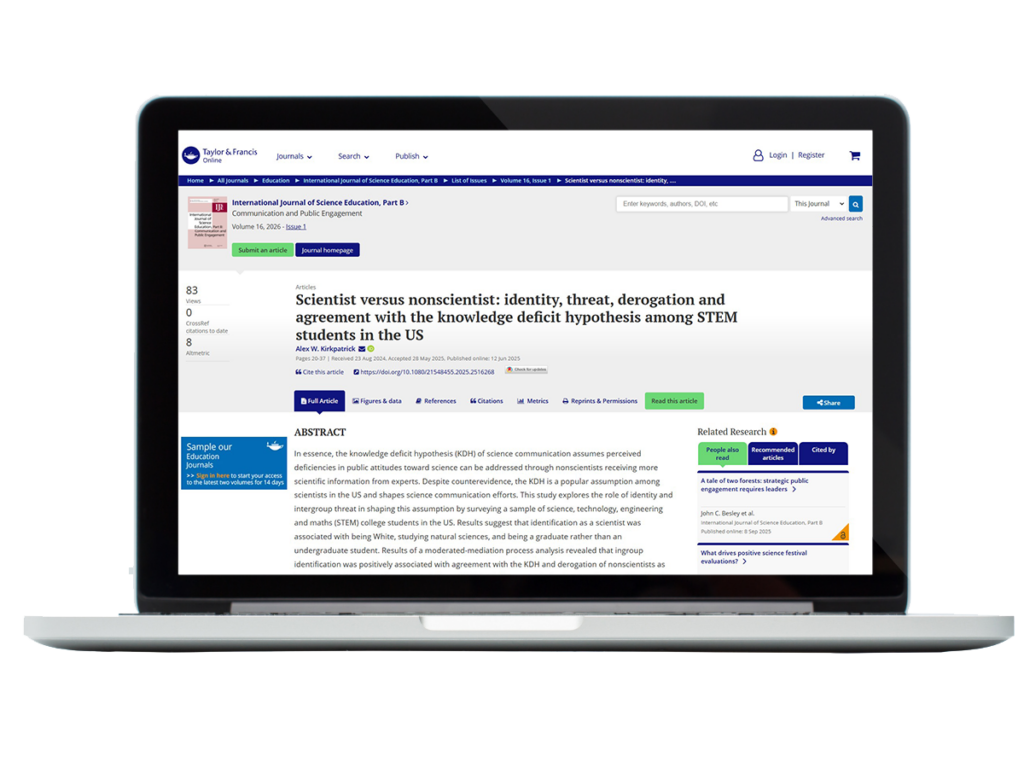
Scientist Versus Nonscientist: Identity, Threat, Derogation and Agreement with the Knowledge Deficit Hypothesis among STEM Students in the US
Survey finds scientist identity and perceived threat predict STEM students’ support for the knowledge deficit hypothesis
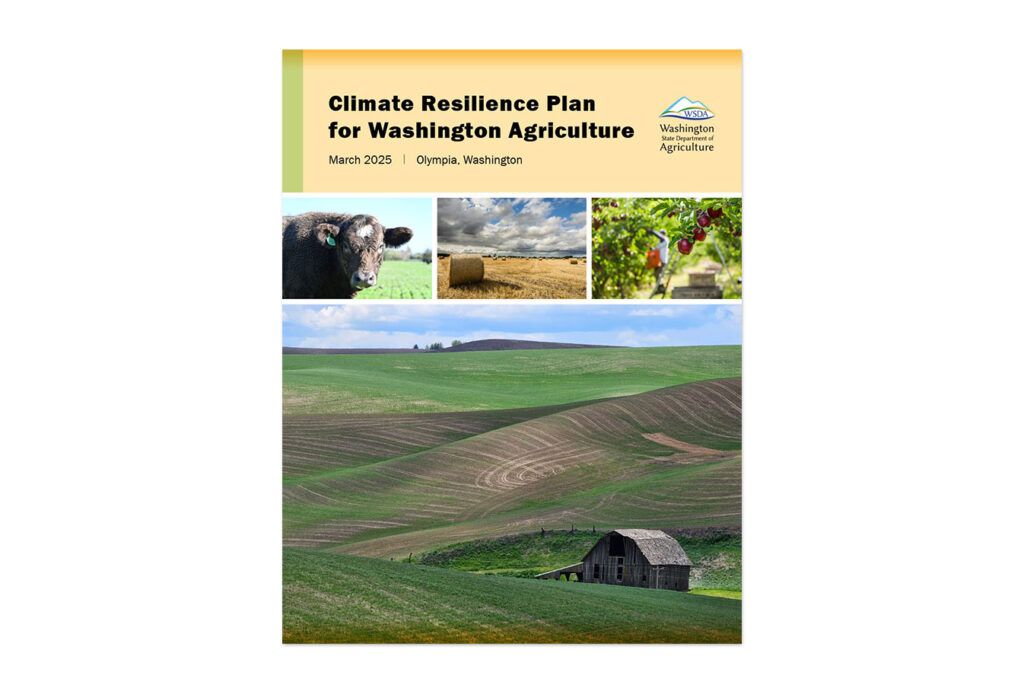
Climate Resilience Plan for Washington Agriculture
Statewide plan outlining strategies to strengthen Washington agriculture’s resilience to climate change impacts.
Scalable Assessment of Soil Organic Carbon for Carbon Incentive Programs: Progress Report
Progress report advances small-data machine learning to predict soil organic carbon using satellite, management, and environment data.
At-School Youth Farmers Markets: Can Hands-on Experience Purchasing Fruit and Vegetables Grown on BIOAg Farms Influence Valuation of Local Farming and Family Shopping Habits? Progress Report
Progress report documents a school-based youth farmers market and follow-up visits to build local produce habits.
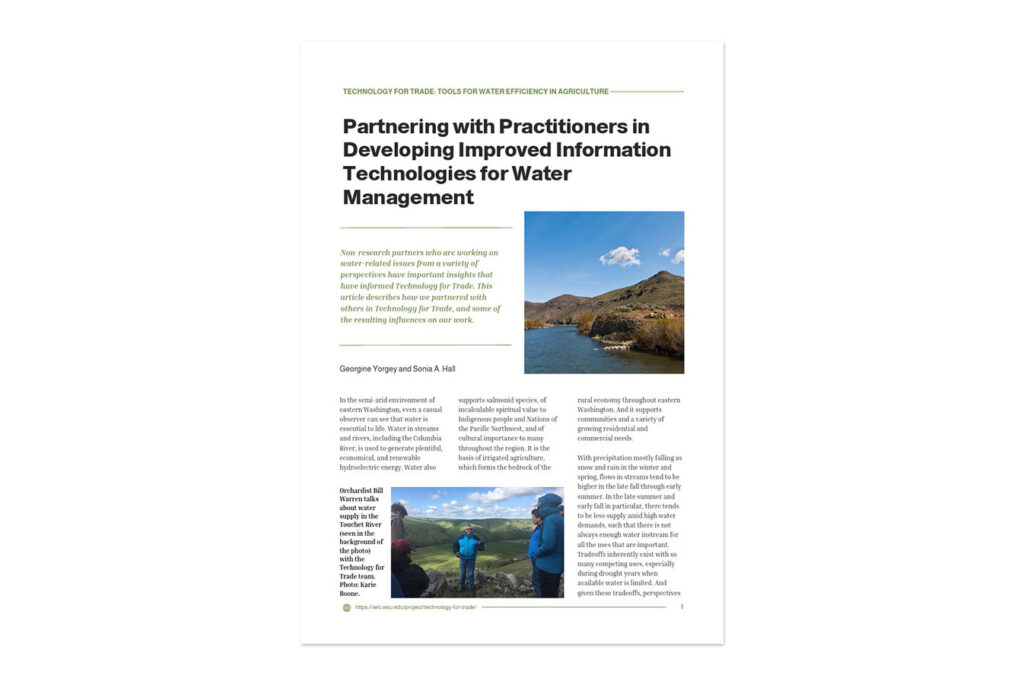
Partnering with Practitioners in Developing Improved Information Technologies for Water Management
Listening sessions with regional stakeholders shaped research on water forecasting, consumptive use estimation, and water markets.
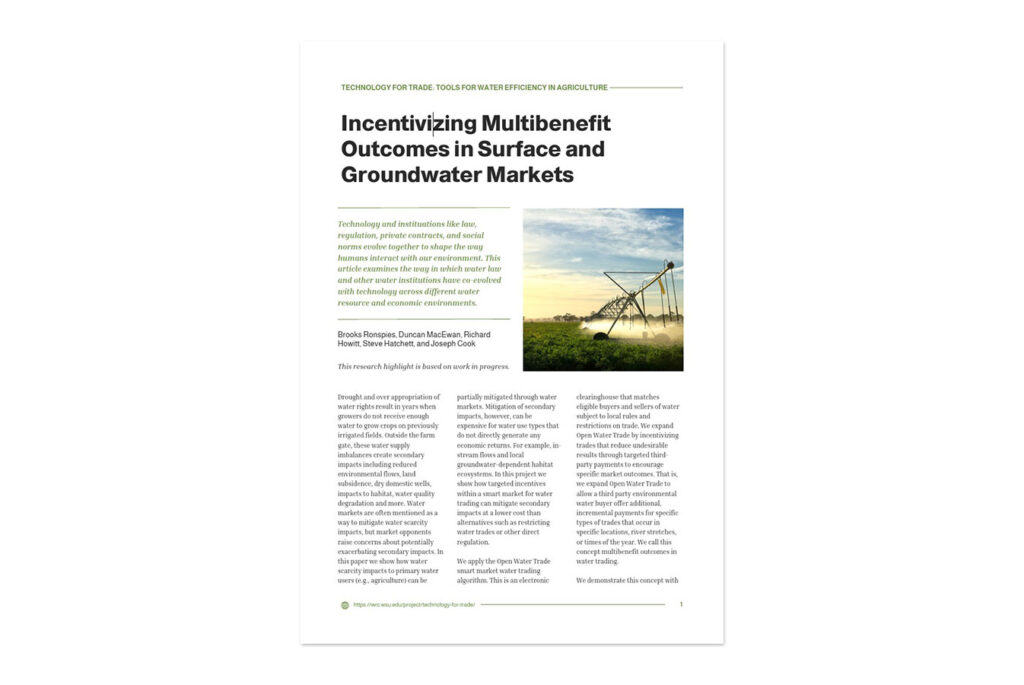
Open Water Trade: A Water Trading Exercise Software for Education and Water Market Design
Interactive water trading simulation helps stakeholders understand market structures, trade incentives, and economic outcomes of water allocation deci
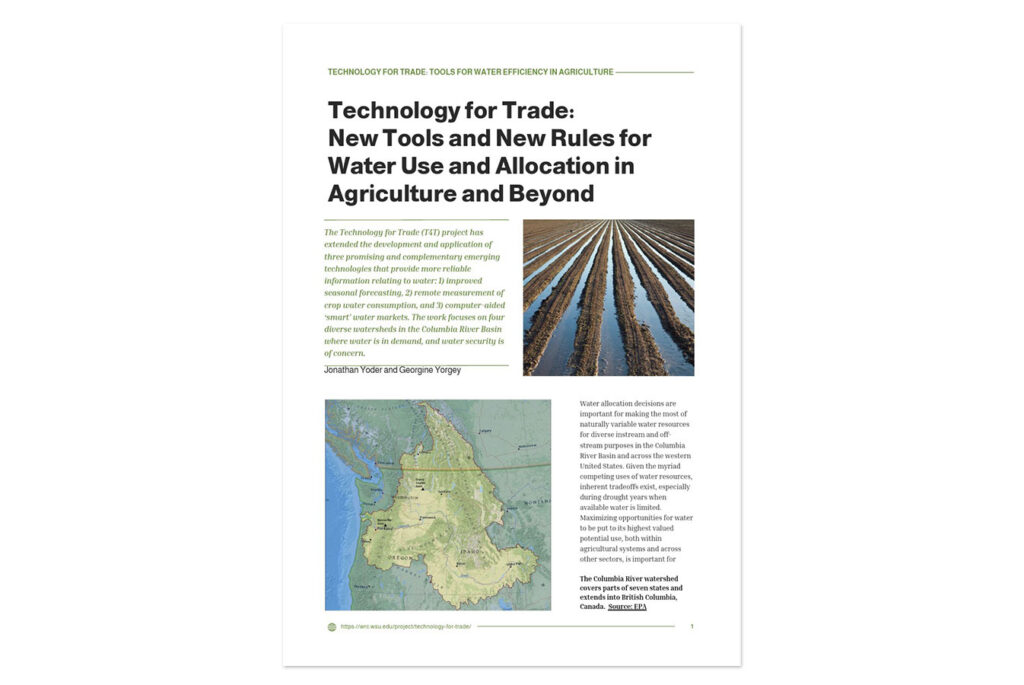
Technology for Trade: New Tools and New Rules for Water Use and Allocation in Agriculture and Beyond
Research highlight summarizing innovations in forecasting, remote sensing, and smart water markets in the Columbia River Basin.
Practical Guide to Community Engagement: Resources to Help Researchers Go Deeper
Companion resource guide offering tools, literature, and frameworks for deeper community-engaged research.
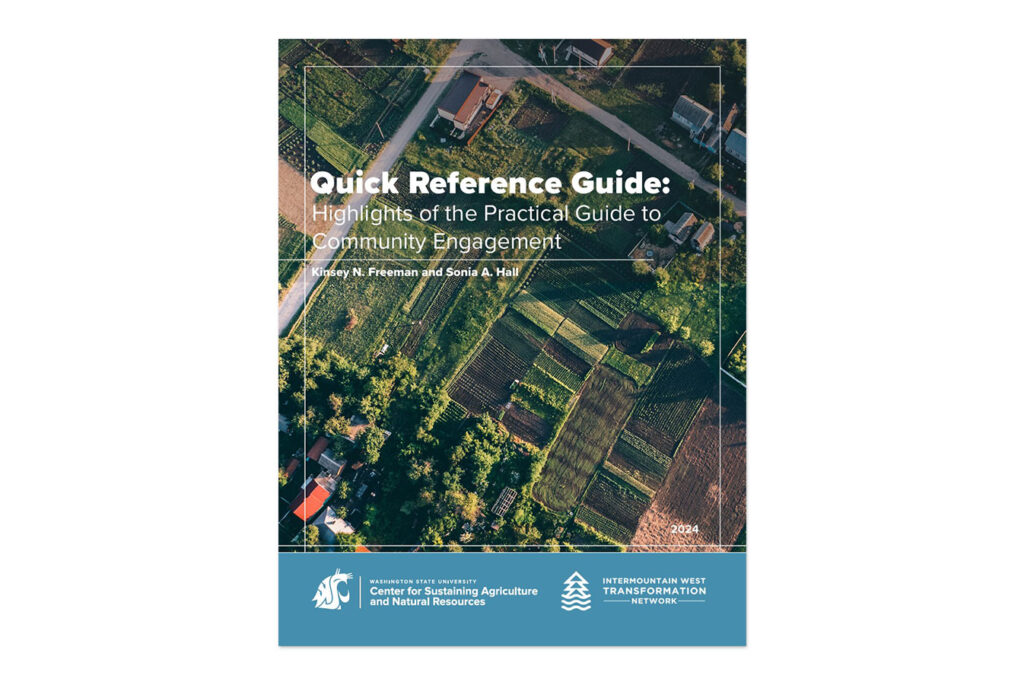
Quick Reference Guide: Highlights of the Practical Guide to Community Engagement
Concise summary of principles and frameworks for meaningful community engagement in research.
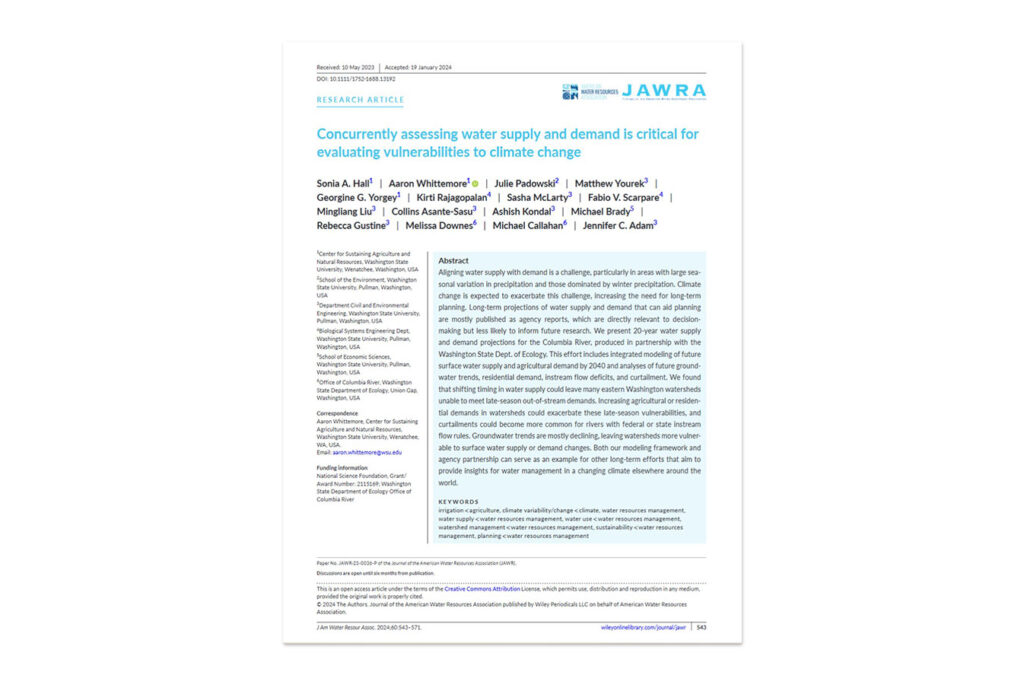
Concurrently Assessing Water Supply and Demand Is Critical for Evaluating Vulnerabilities to Climate Change
By partnering with a water management agency, we show how long-term water supply and demand projections can uncover key vulnerabilities that are direc
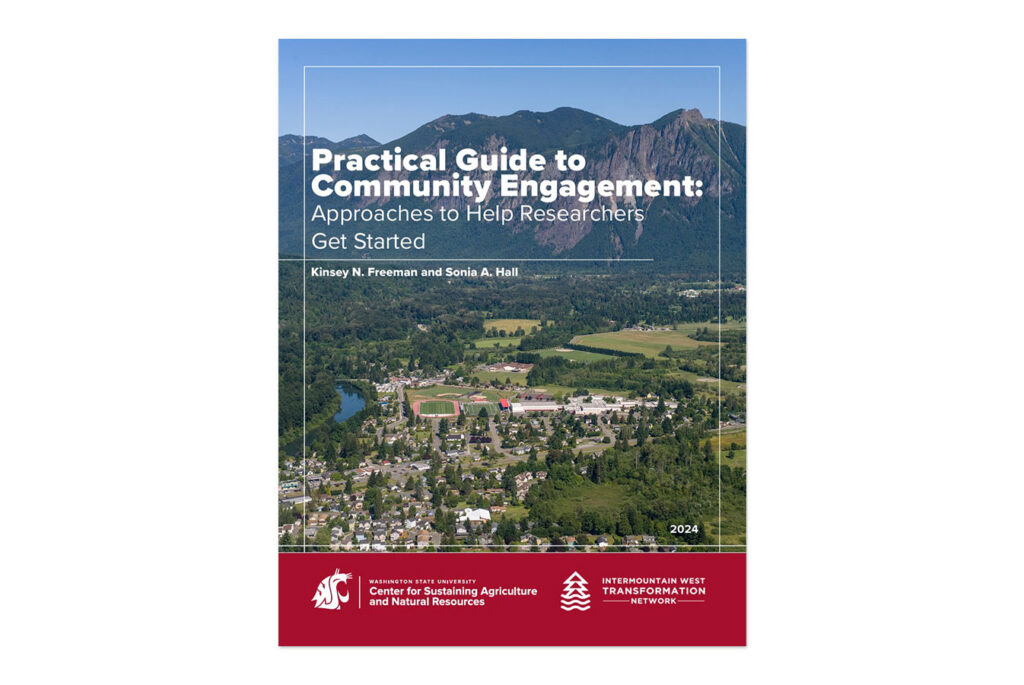
Practical Guide to Community Engagement: Approaches to Help Researchers Get Started
Practical guidance to help researchers design meaningful community engagement in convergence research.
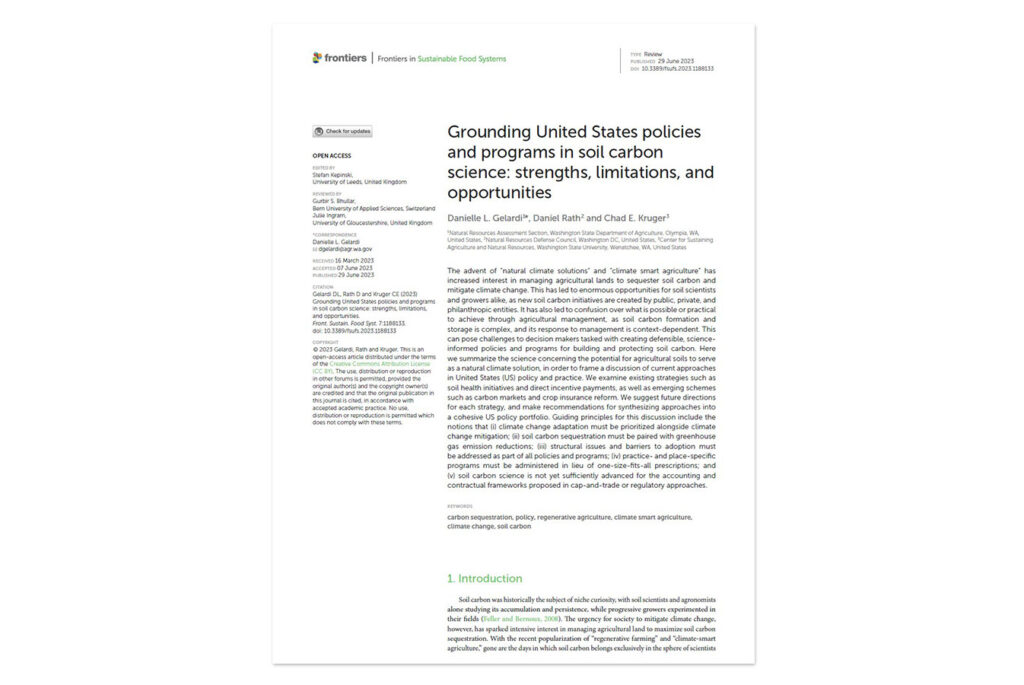
Grounding U.S. Policies: Understanding the Role of Federal Agricultural Programs in Advancing Soil Carbon and Climate-Smart Agriculture
Analysis of U.S. climate and agricultural policies shaping soil carbon markets and climate-smart agriculture implementation.
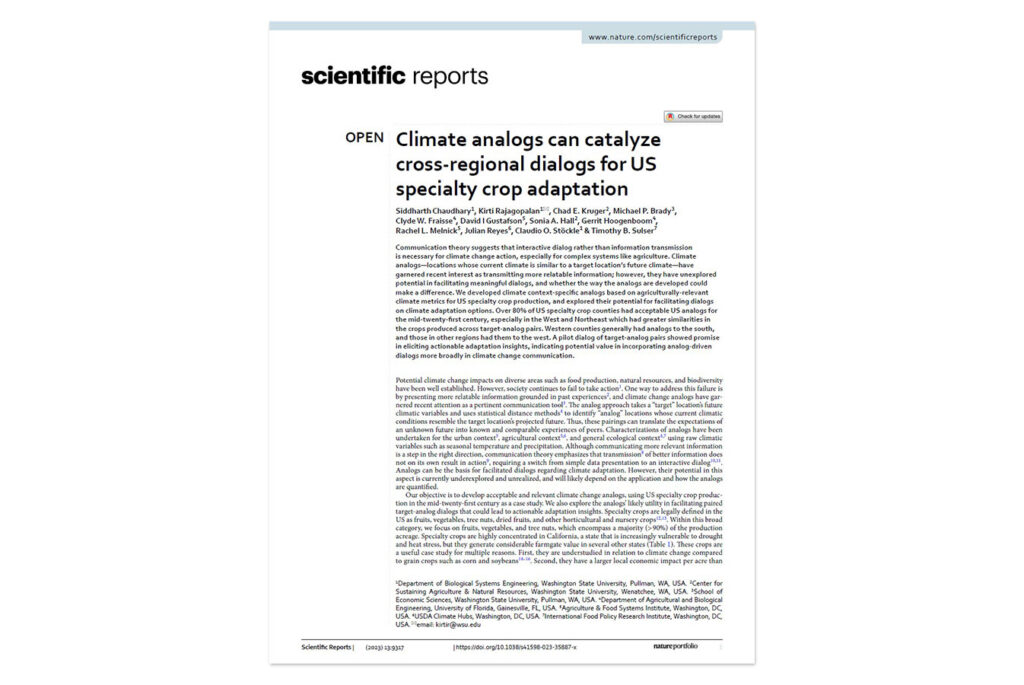
Climate Analogs Can Catalyze Cross-Regional Dialogs for US Specialty Crop Adaptation
Context-specific climate analogs support cross-regional dialog to accelerate specialty crop adaptation to mid-century climate change.
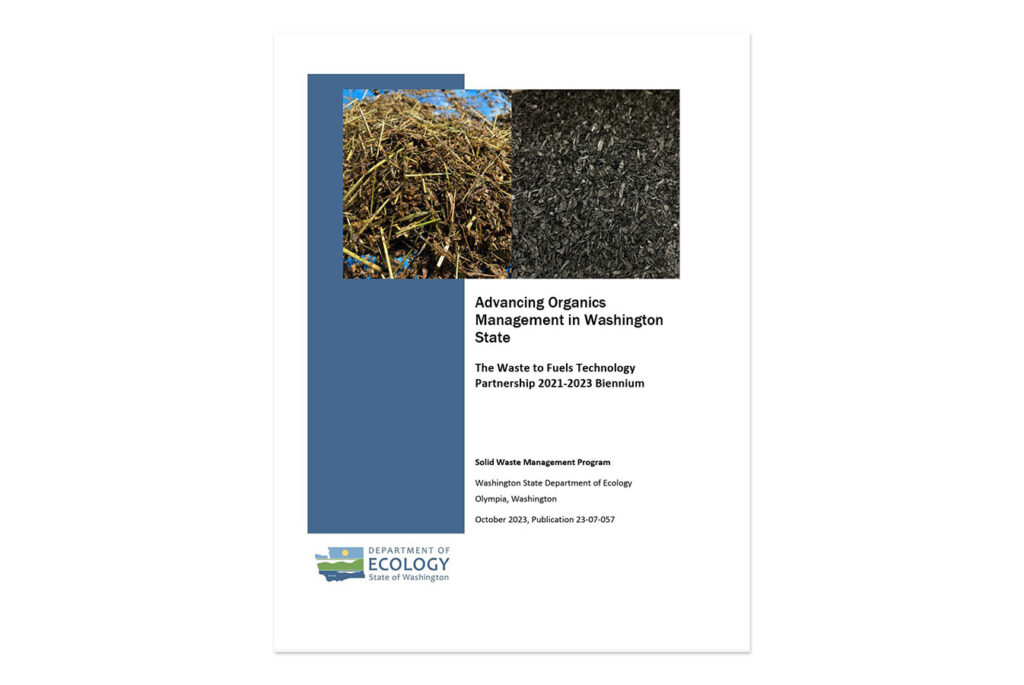
Advancing Organics Management in Washington State: The Waste to Fuels Technology Partnership 2021–2023 Biennium
Biennium report advancing composting, biochar, digestion, and waste-to-energy innovation in Washington.